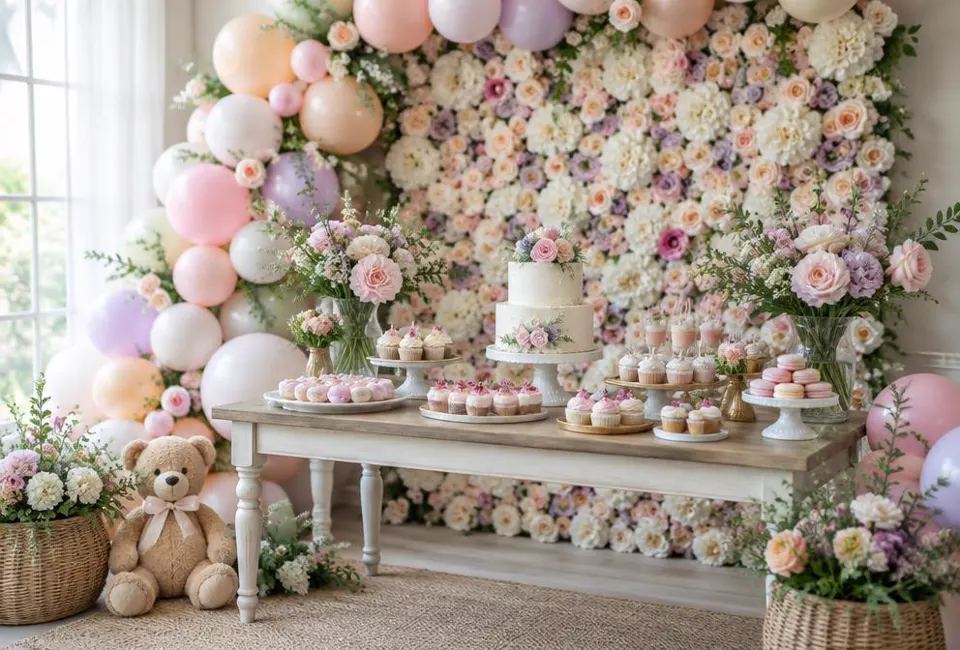
Establishing Strategic Goals and Event Vision
The foundation of a successful celebration begins with clear objectives that guide every subsequent decision. Defining the primary purpose of the gathering ensures that the chosen baby shower themes resonate deeply with the parents to be.
Before selecting a specific aesthetic, planners must determine the primary focus of the event: is it a traditional gathering centered on gift giving, or a modern celebration of friendship and support. Identifying these goals helps narrow down potential baby shower themes to those that align with the family values. Some parents prefer a quiet, intimate brunch while others desire a large, festive party with games and high energy. The goal setting phase should also consider the emotional tone of the day, whether it should be sentimental and nostalgic or contemporary and playful. Without a clear set of objectives, the planning process can become fragmented, leading to a mismatched experience for the attendees. By establishing a core vision early, the host can ensure that every decorative element and activity serves a specific purpose in honoring the new arrival and their caregivers.
The Decision Framework for Goal Alignment
A structured approach to goal setting involves assessing the preferences of the guests of honor against the practical constraints of the planning team. A useful formula for this is the preference versus capacity matrix, where you weigh the desired level of formality against the available preparation time. If the goal is a stress free environment for the mother to be, the theme should prioritize comfort and relaxation over complex logistics or elaborate dress codes. Conversely, if the goal is to create a high impact social media moment, the theme will require more intensive visual coordination and professional staging. Planners should ask themselves what the single most important takeaway for the guests should be by the end of the afternoon. This clarity allows the host to allocate resources effectively, ensuring that the highest priority elements receive the most attention and financial backing during the execution phase.
Primary Event Objectives to Consider
- Honoring cultural or family traditions through specific rituals.
- Building a community of support for the transition into parenthood.
- Gathering essential items and resources for the newborn.
- Providing a restful and celebratory break for the parents to be.
- Introducing the social circle to the upcoming changes in the family dynamic.
Communication with the parents to be is vital during this stage to avoid assumptions that could lead to discomfort. While some people enjoy being the center of attention, others may find the prospect of a large party overwhelming during the final stages of pregnancy. Setting goals that prioritize their comfort ensures the event is a positive memory rather than a source of stress. The choice of baby shower themes should reflect their personality, whether that means a minimalist approach or a maximalist explosion of color and pattern. Once these high level goals are documented, they serve as a roadmap for selecting the guest list and venue. Every choice from this point forward must be checked against these initial objectives to maintain consistency and brand integrity for the event. This discipline prevents the project scope from creeping into areas that do not serve the original vision.
Practicality must also play a role in goal setting, especially regarding the physical needs of the expectant parents. If the goal is a long afternoon of socializing, the seating and climate control must be prioritized. If the goal is a quick, high energy celebration, a standing cocktail style arrangement might be more appropriate. Documenting these requirements early helps in communicating with vendors and co hosts who may have different ideas about the event structure. The host acts as the guardian of the vision, ensuring that the theme is not just a surface level decoration but a reflection of the goals established at the beginning. This strategic alignment creates a sense of harmony that guests will notice, even if they cannot quite put their finger on why the event feels so well coordinated and thoughtful throughout the day.
Finally, the goals should include a plan for the transition of the event from planning to execution. This includes defining what success looks like in measurable terms, such as guest attendance rates or the completion of a specific activity like a group craft. When these benchmarks are met, it provides a sense of accomplishment for the planning committee. The thematic elements should be integrated into these success markers, such as having a themed guest book fully signed by the end of the day. By treating the baby shower as a professional project with clear deliverables, the host can manage the expectations of all parties involved. This professional approach reduces the likelihood of last minute changes that could disrupt the flow of the celebration or exceed the established budget limits set during the initial consultation.
In conclusion, the goal setting phase is the most critical step in the entire planning process because it dictates the direction of every other detail. It requires a balance of emotional intelligence and logistical foresight to create a plan that is both beautiful and functional. By focusing on the needs of the family and the desired atmosphere, the host can select baby shower themes that are meaningful rather than just fashionable. This thoughtful foundation ensures that the event will be a genuine celebration of life and community, providing the parents to be with the support and joy they need as they prepare for their new arrival. The subsequent sections on guest lists and budgeting will rely heavily on these goals to ensure that the resources are used in the most impactful way possible for the family.
Curating the Guest List and Managing Logistics
Developing a comprehensive guest list is a balancing act between inclusivity and the practical limits of the venue and budget. The size and composition of the group will significantly influence the choice of theme and the overall atmosphere of the event.
The guest list should be developed in close consultation with the parents to be to ensure no essential friends or family members are overlooked. Start by creating a primary list of non negotiable guests, followed by a secondary list of individuals to invite if space and budget allow. This tiered approach provides flexibility during the venue selection and budgeting phases. The demographic makeup of the guest list will also impact the baby shower themes you consider: a multi generational crowd might appreciate a classic tea party, while a group of close friends might enjoy a more casual backyard barbecue or a creative workshop. Understanding the group dynamics is essential for planning activities that will engage everyone and prevent awkward lulls in the conversation. The host must also consider the travel requirements for out of town guests and provide them with ample notice and information.
Guest Count and Space Requirements
A standard planning formula for attendance is to expect approximately 70 percent to 80 percent of invited local guests to attend, and about 30 percent to 50 percent of out of town guests. Using these percentages allows you to estimate the final headcount more accurately than just assuming everyone will show up. Once you have a projected number, you can calculate the square footage required for the venue, typically allowing 15 to 20 square feet per person for a seated event. If the theme involves interactive stations or large games, this requirement will increase. Managing the guest list digitally can help track RSVPs in real time and collect important information such as dietary restrictions or accessibility needs. This data is vital for the catering and seating plan, ensuring that every guest feels comfortable and considered throughout the duration of the baby shower celebration.
| Guest Count | Seated Dining (sq ft) | Cocktail Style (sq ft) | Activity Space (sq ft) |
|---|---|---|---|
| 20 Guests | 300 - 400 | 200 - 250 | 100 additional |
| 50 Guests | 750 - 1,000 | 500 - 600 | 250 additional |
| 100 Guests | 1,500 - 2,000 | 1,000 - 1,200 | 500 additional |
When inviting guests, it is important to be clear about the nature of the event, including whether children or partners are invited. Modern baby showers often include all genders and ages, which can influence the complexity of the guest list management. If the event is meant to be a surprise, the communication strategy must be handled with extra care to prevent the secret from being revealed prematurely. Using a centralized invitation platform can help keep all communication organized and provide a single point of reference for guests. This is also the time to communicate any theme related requests, such as a specific color palette for guests to wear or a request to bring a favorite childhood book instead of a card. Clear instructions help guests feel prepared and reduce the number of individual inquiries the host must answer in the weeks leading up to the party.
As the RSVPs come in, the host should maintain a detailed spreadsheet that includes contact information, gift tracking, and special notes. This document becomes an invaluable resource for sending thank you notes after the event and ensures that no guest is forgotten. The guest list also dictates the quantity of favors, food, and seating required, making it the most important variable in the budget. If the list grows beyond the initial projection, the host must be prepared to adjust the theme or the venue to accommodate the extra people. Maintaining a strict cutoff date for RSVPs is essential for finalized planning with caterers and rental companies. This level of organization prevents the common stress of last minute additions and ensures a smooth experience for both the host and the guests during the actual event.
Guest List Logistics Checklist
- Confirm the guest list with the parents to be for accuracy.
- Categorize guests by local versus out of town status.
- Collect email and physical addresses for invitations.
- Note any specific dietary requirements or allergies.
- Verify the accessibility needs for older or disabled guests.
- Establish a clear RSVP deadline two weeks before the event.
The relationship between the guest list and the theme is symbiotic: a large list might require a more generalized theme that appeals to a broad audience, while a small list allows for highly personalized and niche themes. For example, a small group of ten people could participate in a sophisticated candle making workshop, whereas a group of fifty might be better suited for a garden party with buffet style service. The host should consider the social chemistry of the group and how the theme can help break the ice between different circles of friends and family. A well planned guest list ensures that the energy in the room remains positive and that the parents to be are surrounded by the people who matter most to them. This personal connection is what ultimately makes the baby shower a success, regardless of the specific decor or activities chosen.
In summary, guest list management is about more than just names on a page; it is about managing the flow and feel of the entire event. By applying logistical formulas and staying organized, the host can create an environment where everyone feels welcome and the parents to be feel truly celebrated. The guest list provides the parameters within which the budget and venue must operate, making it a foundational element of the planning process. With a clear understanding of who will be attending, the host can move forward with confidence to the next stages of financial planning and site selection, knowing that the needs of the guests have been carefully considered and integrated into the overall vision for the day.
Developing a Realistic Budget and Allocation Strategy
A successful event requires a disciplined approach to finances to ensure that the vision is realized without unnecessary stress. Establishing a clear budget allocation early in the process allows the host to make informed decisions about every aspect of the celebration.
Creating a budget for a baby shower involves more than just a total number; it requires a strategic breakdown of costs across various categories. A common allocation strategy is to dedicate 40 percent of the budget to food and beverages, 20 percent to the venue, 15 percent to decor and baby shower themes implementation, 10 percent to photography or entertainment, 10 percent to favors and prizes, and 5 percent for a contingency fund. This contingency fund is crucial for handling unexpected expenses such as last minute guest additions or price fluctuations in floral arrangements. By using these percentages, the host can adjust the total amount based on their specific situation, whether they are planning a modest home gathering or a lavish event at a dedicated venue. The key is to be realistic about the costs in your local area and to prioritize spending on the elements that will have the greatest impact on the guest experience.
Tracking Expenses and Managing Cash Flow
To maintain control over the finances, planners should use a detailed spreadsheet to track both estimated and actual costs. For example, if you have a total budget of 2,000 in your currency, you would set aside 800 for catering and 300 for the venue. As you receive quotes from vendors, update the spreadsheet to see how these actual numbers compare to your initial estimates. If one category goes over budget, you must identify another category where you can reduce spending to maintain the overall balance. This might mean choosing more affordable floral options or opting for a digital invitation instead of a printed one. It is also important to account for hidden costs such as delivery fees, service charges, and sales taxes, which can significantly increase the final bill. Being transparent with co hosts about the budget prevents misunderstandings and ensures that everyone is working toward the same financial goals.
| Category | Percentage | Example Amount | Priority Level |
|---|---|---|---|
| Food and Drink | 40% | 400 | High |
| Venue Rental | 20% | 200 | High |
| Decorations | 15% | 150 | Medium |
| Favors and Games | 10% | 100 | Medium |
| Invitations and Misc | 10% | 100 | Low |
| Contingency Fund | 5% | 50 | High |
When choosing between different baby shower themes, consider the financial implications of each aesthetic. A theme that requires a large number of specific props or high end rentals will naturally be more expensive than one that can be executed with DIY elements or items you already own. For instance, a woodland theme might allow you to use natural elements like branches and pinecones for free, while a luxury metallic theme might require purchasing expensive fabrics and spray paints. The host should look for ways to maximize the budget by selecting items that serve multiple purposes, such as floral centerpieces that can also be given away as prizes at the end of the party. This resourcefulness allows for a high end look without the high end price tag, ensuring that the budget is spent wisely and effectively to create a memorable day.
Effective budgeting also involves timing the purchases to take advantage of sales and seasonal discounts. Buying non perishable items like paper goods or decorations months in advance can help spread out the expenses and reduce the financial burden in the weeks leading up to the event. Additionally, consider collaborating with others to share the costs; many families find that having multiple hosts makes a larger budget more manageable. However, it is essential to have one person designated as the treasurer to manage the funds and ensure all bills are paid on time. Clear communication about who is responsible for which expense prevents double spending or missed payments. By treating the budget as a living document that is updated regularly, the host can stay in control of the project and avoid any financial surprises that could dampen the festive spirit of the celebration.
Financial Planning Checklist
- Define the total budget limit before any spending occurs.
- Allocate funds to major categories using the percentage model.
- Research local vendor pricing to create realistic estimates.
- Identify areas where DIY options can reduce costs.
- Set aside a five percent buffer for unexpected requirements.
- Track every transaction in a centralized spreadsheet.
Ultimately, the budget is a tool that enables creativity rather than a set of limitations. It forces the planner to prioritize what truly matters to the parents to be and the guests, leading to a more focused and intentional event. A well managed budget ensures that the quality of the food and the comfort of the guests are never compromised for the sake of excessive decoration. When the financial side of the planning is handled with professionalism and care, it allows the host to focus on the emotional and social aspects of the day, knowing that the logistics are fully funded and under control. This peace of mind is invaluable for creating a relaxed and joyous atmosphere where everyone can celebrate the new arrival without the distraction of financial stress or logistical failures.
In conclusion, budgeting for a baby shower requires a balance of analytical planning and creative problem solving. By establishing a clear allocation strategy and tracking expenses meticulously, the host can deliver a beautiful and meaningful event within their means. The budget serves as the practical backbone of the entire planning process, supporting the guest list, venue, and theme. With a solid financial plan in place, the host can move forward with the confidence that the event will be sustainable and successful, providing a wonderful experience for the family and their friends. The next steps in the planning process, including venue selection and invitation design, will all be informed by the financial parameters established during this critical budgeting phase.
Selecting the Ideal Venue and Timing the Event
The choice of venue and date sets the stage for the entire celebration, providing the physical and temporal context for the baby shower themes. These decisions must balance the comfort of the expectant parents with the logistical needs of the guests.
Selecting the right venue involves assessing the size of the guest list, the chosen theme, and the desired level of formality. Options range from a cozy living room at home to a rented community hall, a restaurant private room, or an outdoor garden space. Each location offers different benefits and challenges: a home setting provides intimacy and control but requires significant setup and cleanup effort, while a professional venue offers infrastructure and service but comes with higher costs and stricter rules. The host should visit potential sites to evaluate the layout, lighting, and accessibility, ensuring the space can comfortably accommodate the projected number of guests. Consider the flow of the event, from the entry and coat check to the dining area and space for opening gifts. The venue must also align with the aesthetic of the chosen baby shower themes to create a cohesive visual experience for the attendees.
Strategic Timing and Date Selection
The timing of the baby shower is typically between the twenty eighth and thirty fifth week of pregnancy, ensuring the expectant parent is still comfortable enough to enjoy the party but far enough along to celebrate the milestone. When choosing a date, check for major holidays, local events, or family commitments that might conflict with the attendance of key guests. Saturday and Sunday afternoons are the most traditional choices, but a Friday evening or a weekday brunch can also be successful depending on the social circle. The duration of the event should be clearly defined, usually lasting between two and four hours to prevent exhaustion for the parents to be. If the venue is outdoors, a backup plan for inclement weather is mandatory, whether that means a tent rental or an indoor alternative. The date and time should be finalized early to allow for venue booking and invitation distribution.
Logistical considerations for the venue include parking availability, restroom facilities, and kitchen access for catering. If the host is providing the food, the kitchen must be equipped to handle the storage and preparation of the menu. For a restaurant or hall, clarify what is included in the rental fee, such as tables, chairs, linens, and cleaning services. Understanding these details upfront prevents last minute scrambles for necessary equipment. The venue location should also be central for the majority of guests to minimize travel time and maximize attendance. If a significant number of guests are traveling from far away, consider a venue near hotels or public transportation hubs. Providing a map and parking instructions with the invitation can significantly improve the guest experience and reduce confusion on the day of the event, allowing the party to start on time.
The atmosphere of the venue should naturally complement the baby shower themes to reduce the amount of additional decoration required. A rustic barn is perfect for a bohemian or woodland theme, while a sleek modern gallery might suit a minimalist or gender neutral aesthetic. Lighting plays a major role in setting the mood; natural light is ideal for daytime brunches, while warm, ambient lighting can create a cozy feeling for a late afternoon tea. Planners should also consider the acoustics of the space, ensuring that guests can hold conversations without having to shout over background noise or echoes. By selecting a venue that already possesses the desired character, the host can allocate more of the budget toward high quality catering or unique guest experiences rather than spending heavily on transformational decor to hide the flaws of an unsuitable space.
Venue Evaluation Checklist
- Confirm the capacity matches the guest list with room for activities.
- Evaluate the availability of parking and public transit links.
- Check for climate control and ventilation appropriate for the season.
- Verify the availability of furniture and linen rentals.
- Assess the kitchen facilities and food service requirements.
- Review the venue's policy on decorations and cleanup.
Finally, the contract for the venue should be reviewed carefully before signing, paying close attention to the cancellation policy and any insurance requirements. Securing the venue with a deposit is a major milestone in the planning process, as it fixes the date and location for all other arrangements. Once the venue is confirmed, the host can proceed with confidence to design the invitations and finalize the menu. The choice of venue is a statement of intent for the event, signaling to the guests what kind of experience they can expect. Whether it is a casual backyard gathering or a formal ballroom affair, the physical environment will shape the memories of the day. By choosing a location that is both practical and beautiful, the host ensures a successful foundation for a celebration that honors the new family in the best possible way.
In summary, the venue and date selection are the twin pillars of event logistics that determine the feasibility of all other plans. A well chosen location accommodates the guest list, supports the theme, and ensures the comfort of the parents to be. Strategic timing maximizes guest attendance and allows the expectant parent to participate fully in the celebration. These decisions require careful research and a clear understanding of the event goals. Once these elements are in place, the planning process moves from the abstract to the concrete, allowing the host to focus on the creative details that will make the baby shower truly special. The venue provides the canvas upon which the chosen baby shower themes will be painted, creating a lasting impression for everyone involved in this significant life milestone.
Designing and Distributing Themed Invitations
The invitation is the first glimpse guests have of the upcoming celebration, serving as both a source of information and an introduction to the event's aesthetic. A well crafted invitation sets the tone and provides all the necessary details for a seamless guest experience.
Effective invitation design starts with a clear hierarchy of information, ensuring the most important details are easily visible at a glance. This includes the name of the parents to be, the date and time, the location with a full address, and the RSVP instructions. The design should incorporate the chosen baby shower themes through color palettes, typography, and imagery. For example, a nautical theme might use navy blue and white with anchor motifs and a classic serif font, while a whimsical garden theme could feature pastel watercolors and delicate script. Whether you choose digital or physical invitations depends on the formality of the event and the preferences of the guests. Digital invitations are cost effective and allow for easy tracking of RSVPs, while printed invitations offer a tangible keepsake that can feel more personal and traditional. Regardless of the medium, the style should be consistent with the overall vision.
Essential Content and Etiquette
Beyond the basic logistics, the invitation should include information that helps guests prepare for the day. This might include links to gift registries, mentions of any specific dress codes, or requests for guests to participate in a pre party activity. For example, some hosts ask guests to bring a signed book instead of a card or to contribute a photo for a memory board. It is important to handle registry information with tact; while it is practical to include it, some cultures prefer to provide this information only upon request or through a separate card. The tone of the writing should match the theme, whether it is formal and elegant or casual and humorous. Clear RSVP instructions, including a deadline and multiple ways to respond, such as a phone number or an online link, will help ensure a high response rate and accurate guest counts for the venue and caterer.
| Milestone | Timeline | Action Item |
|---|---|---|
| Design Phase | 10 - 12 weeks out | Select theme and layout. |
| Proofing | 9 weeks out | Verify all dates and addresses. |
| Distribution | 6 - 8 weeks out | Send via mail or digital platform. |
| RSVP Deadline | 2 - 3 weeks out | Follow up with non responders. |
| Final Count | 10 days out | Notify caterers and venue. |
The distribution method should be chosen based on the habits of the guest list. If the group is predominantly active online, a digital invitation with an integrated calendar invite can be very effective. However, for older family members or a more formal event, a high quality printed invitation sent via traditional mail is often more appropriate. If sending physical mail, remember to account for the time and cost of postage and the possibility of delays. The return address should be clearly marked, and the envelopes should be addressed professionally to reflect the importance of the occasion. For a themed event, even the envelope can be part of the design, using themed stamps or colored paper to create excitement from the moment the guest opens their mailbox. This attention to detail demonstrates the host's commitment to creating a special experience for everyone involved.
Tracking RSVPs is a critical task that begins immediately after the invitations are sent. The host should be prepared to follow up with guests who have not responded by the deadline, as an accurate headcount is essential for ordering food and arranging seating. This follow up can be a friendly text or a short phone call, ensuring that no one feels pressured but that the host has the information they need. As RSVPs come in, the host can also begin to coordinate carpooling for guests who live near each other or provide hotel recommendations for those coming from out of town. The invitation process is also an opportunity to collect information on dietary restrictions, which is vital for the catering plan. By being proactive and organized during the invitation phase, the host reduces the potential for confusion and ensures that all guests feel welcomed and well informed.
Invitation Detail Checklist
- Check the spelling of names and the accuracy of the date.
- Include the full physical address and a link to a map.
- Clearly state the start and end times of the event.
- Provide a direct link to the baby gift registry.
- Specify the RSVP deadline and contact method.
- Add any special instructions regarding the theme or activities.
In conclusion, the invitation is a vital communication tool that bridges the gap between the planning phase and the event itself. By integrating the baby shower themes into the design and content, the host builds anticipation and helps guests understand the intended atmosphere. A well designed invitation reflects the care and thought that has gone into the entire planning process, setting a positive tone for the celebration. From the initial design to the final RSVP follow up, the invitation process requires attention to detail and a focus on guest service. When handled professionally, it ensures that every guest arrives at the event feeling prepared, excited, and ready to celebrate the new addition to the family. This successful communication is the final step in the first half of the planning journey, leading directly into the execution of the theme and activities.
The total impact of the invitation should not be underestimated; it is the physical or digital manifestation of the host's hospitality. By choosing the right materials, the right words, and the right timing, the host creates a professional and warm introduction to the baby shower. This section concludes the first half of our guide, having covered the foundational elements of goals, guests, budget, venue, and invitations. With these logistical pillars firmly in place, the host is now ready to dive into the more creative and decorative aspects of the baby shower themes, which will be explored in the second half of the planning process. The groundwork laid here ensures that the creative vision is supported by a solid operational framework, leading to a balanced and memorable celebration for the parents to be.
Logistical Execution and Budgeting Frameworks
Transforming creative baby shower themes into reality requires a rigorous approach to resource allocation and logistics. This section details how to map your conceptual ideas to a functional budget and timeline.
When transitioning from a conceptual mood board to physical execution, the first step is establishing a granular budget based on percentages rather than arbitrary figures. A standard allocation often designates 40 percent of the total funds to venue and catering, 20 percent to decor and theme specific installations, 15 percent to photography or keepsakes, 15 percent to invitations and stationery, and a 10 percent buffer for miscellaneous expenses. If the chosen baby shower themes involve heavy customization, such as bespoke backdrops or intricate floral arrangements, you may need to reduce the catering portion by opting for a buffet style service instead of a plated meal. This financial discipline ensures that the thematic elements remain the focal point without causing a deficit in other essential areas. Always calculate costs per guest to understand how scaling the invite list impacts the overall thematic depth you can afford.
Procurement Strategy and Implementation Timeline
A successful event relies on a procurement timeline that accounts for shipping delays and assembly requirements. Start sourcing theme specific items at least eight weeks before the event date to allow for international deliveries or custom hand made orders. For instance, if you are planning a vintage library theme, you might spend several weeks visiting second hand shops to collect specific book styles. Create a centralized tracking sheet that includes order dates, expected arrival dates, and a verification column to confirm the item matches the intended aesthetic. By six weeks out, all core decorative elements should be secured. Four weeks before the event, perform a dry run of the table settings. This involves setting up a single guest place setting to ensure that the chargers, napkins, and centerpieces harmonize. This physical preview allows you to identify if a particular color or texture clashes before you commit to the full scale setup.
Logistics also extend to the physical layout of the venue which must accommodate the flow of guests while highlighting the theme. Map out zones for greeting, dining, gift opening, and photography. The photography zone should be placed in an area with the most stable lighting, away from high traffic corridors like the kitchen entrance or bathrooms. Ensure that the gift station is sturdy enough to hold heavy items and is decorated to match the theme so it does not look like an afterthought. If the venue is outdoors, logistics must include a power source plan for music or lighting. Use heavy duty cable protectors that match the flooring color to prevent tripping hazards while maintaining the visual integrity of the space. Every logistical choice should serve the dual purpose of guest comfort and thematic consistency, ensuring that the environment feels both professional and welcoming.
Essential Logistics Checklist
- Confirm delivery windows for all external vendors at least 72 hours in advance.
- Verify that the venue has sufficient table linens to cover all utility tables.
- Test all audiovisual equipment, including microphones and playlist connectivity.
- Assign a specific contact person for the caterer to handle dietary questions.
- Prepare a vehicle loading plan for transporting decor to the venue.
- Create a contact list for all vendors with emergency phone numbers.
Consider the transport and storage of perishables as a critical logistical pillar. If your theme involves elaborate floral displays or specific temperature sensitive food items, you must coordinate with the venue regarding refrigerator space or climate control. Flowers should be kept in a cool, dark place until the final hour of setup to prevent wilting, especially in warmer climates. For food, work with the caterer to ensure that the presentation dishes are compatible with the theme. For example, a nautical theme might utilize wooden platters or slate boards instead of standard white ceramic. If you are providing your own serving ware, label the bottom of each piece with its intended contents to streamline the setup process for helpers. This level of detail prevents confusion during the high pressure hours leading up to the guest arrival and ensures the vision remains intact.
Guest accessibility is another often overlooked logistical factor. Ensure that the layout provides enough space for guests with limited mobility or those who may be bringing strollers. The theme should not compromise safety: avoid placing loose petals, confetti, or low hanging decorations in primary walking paths. If your baby shower themes involve interactive stations, such as a diaper raffle or a craft table, ensure these areas have clear signage and are at a height comfortable for all guests. Consider the acoustics of the room when placing the music speakers: you want the thematic soundtrack to be audible but not so loud that it hinders conversation. By thinking through the physical experience of each guest, you create a seamless flow that allows the decorative elements to shine without causing frustration or discomfort for the attendees.
Finally, establish a cleanup and strike plan before the event begins. Many planners focus entirely on the setup and forget that the breakdown is equally labor intensive. Determine which items are rentals that must be returned, which are gifts for the parents to be, and which are disposable. Provide clearly labeled bins for trash, recycling, and linens to make the post event process efficient. If you have rented large scale items like furniture or backdrops, confirm the exact pickup time with the vendor. Assigning a specific person to oversee the strike ensures that nothing valuable is accidentally discarded and that the venue is left in good condition. A well organized conclusion to the event is the hallmark of a professional planning process and ensures that the day ends on a positive note for everyone involved.
Mastering the Day-of Run Sheet
The run sheet is the pulse of the event, ensuring that every thematic beat is hit at the correct moment. A successful day requires a minute by minute breakdown of responsibilities and transitions.
A comprehensive run sheet begins well before the guests arrive, typically starting at sunrise on the day of the event. The early morning hours are dedicated to logistics: picking up fresh items like cakes or flowers and beginning the foundational setup of tables and chairs. Allocate at least three hours for decor installation, depending on the complexity of your chosen baby shower themes. This time should be used to hang banners, arrange centerpieces, and set the lighting levels. By finishing the decor early, you leave a buffer for unexpected issues, such as a broken item or a missing supply. The goal is to have the entire space photo ready at least thirty minutes before the official start time. This allows the hosts to take a breath, freshen up, and take professional photographs of the empty room before it is occupied by guests.
Managing the Event Flow and Transitions
Once guests start arriving, the run sheet shifts focus to hospitality and flow. The first 30 to 45 minutes should be dedicated to a soft opening with background music, light refreshments, and a designated area for greeting the parents to be. Avoid jumping into games or activities immediately: allow people to settle in and socialize. The run sheet should specify when the food service begins and when the main activity or game will take place. For example, if the event is a three hour brunch, the main meal might start at the one hour mark, followed by games at the ninety minute mark. Use a transition signal, such as a slight change in music volume or a brief announcement, to move guests from one phase of the event to the next. This keeps the energy consistent and prevents the afternoon from feeling stagnant or disorganized.
| Time | Activity | Responsibility |
|---|---|---|
| 08:00 | Decor Setup and Vendor Arrival | Lead Planner |
| 11:30 | Final Walkthrough and Music Check | Host |
| 12:00 | Guest Arrival and Welcome Drinks | Greeter |
| 12:45 | Meal Service and Background Music | Catering Lead |
| 13:45 | Themed Games and Gift Opening | Host |
| 14:30 | Cake Cutting and Favors | Lead Planner |
| 15:00 | Event Concludes and Guest Departure | All Staff |
The middle section of the run sheet is often the most dynamic, as it involves the core activities that bring the theme to life. If you have planned a themed game, ensure all materials are prepped and hidden nearby to avoid a long setup pause. The run sheet should account for the duration of each game, typically no more than fifteen to twenty minutes to keep engagement high. During this time, the catering staff or helpers should be clearing empty plates and refreshing drinks discreetly. The host must stay aware of the clock but remain flexible: if guests are deeply engaged in conversation, it may be wise to delay a game by ten minutes. The run sheet is a guide, not a rigid script, and the primary goal is the enjoyment of the guests and the comfort of the mother to be.
Gift opening is a traditional element that can often take longer than expected, potentially stalling the event momentum. To maintain the theme, consider a 'display shower' where gifts are left unwrapped on a beautifully decorated table, or limit the opening to a few select items while the group is enjoying dessert. If you choose a full opening, the run sheet should allocate at least thirty to forty five minutes. Assign one person to sit next to the parent to be to record who gave which gift, and another person to manage the disposal of wrapping paper. This keeps the area looking tidy for photos. Integrating the gift opening with the dessert course is an excellent way to keep guests occupied and satisfied while they watch, ensuring the event concludes on a high note rather than trailing off.
As the event nears its conclusion, the run sheet should prompt the distribution of favors and the final thank you speech. This usually happens in the last fifteen to twenty minutes. The speech should be brief, acknowledging the effort of the organizers and the presence of the guests, while reinforcing the theme one last time. For example, if the theme was 'A Star is Born', the favor could be a small celestial themed candle with a note thanking guests for 'shining their light' on the family. Once the formal event ends, the run sheet transitions into the strike phase. By having a clear end time, you manage guest expectations and allow the cleanup crew to begin their work efficiently. A well timed exit ensures that everyone leaves feeling the event was perfectly paced and thoughtfully executed.
Common Mistakes and Scenario Planning
Even the most carefully curated baby shower themes can encounter hurdles during execution. Identifying these pitfalls in advance allows you to create robust solutions that protect the integrity of the event.
One of the most frequent mistakes in baby shower planning is 'theme saturation', where every single surface is covered in thematic elements to the point of visual exhaustion. When a theme is over applied, the individual details lose their impact and the space can feel cluttered or childish. To avoid this, follow the rule of three: choose three primary areas for high impact decor, such as the entrance, the main food table, and the gift area. Keep the rest of the environment complementary but neutral. For instance, if the theme is 'Tropical Paradise', use vibrant florals and palm leaves at the focal points, but stick to simple white or beige linens for the guest tables. This creates a sophisticated balance that guides the guest's eye to the most important features without overwhelming the senses or the budget.
Prioritizing Guest Comfort Over Aesthetic
Another common error is sacrificing comfort for the sake of the aesthetic. This often manifests in seating arrangements that are too cramped or menu choices that are visually stunning but difficult to eat. If your theme involves a 'Bohemian Picnic' style with floor seating, you must provide alternative chairs for older guests or those who find sitting on the floor uncomfortable. Similarly, if the food is served as finger food to match a 'Tea Party' theme, ensure there are enough napkins and small plates so guests are not left holding messy items. Always prioritize the physical needs of the pregnant guest of honor: ensure she has a supportive chair, easy access to the restroom, and is not exposed to strong smells or excessive heat. A beautiful event is quickly forgotten if the guests are physically uncomfortable.
Common Planning Mistakes to Avoid
- Overcomplicating games so they require too much explanation or time.
- Choosing a venue with poor lighting that ruins the thematic photos.
- Ordering fragile decor that is likely to break during transport.
- Neglecting to provide a clear dress code for guests if it is part of the theme.
- Failing to account for dietary restrictions in a theme-heavy menu.
- Waiting until the last day to assemble complex DIY decorations.
Communication breakdowns represent a significant risk to thematic consistency. This occurs when vendors or helpers have different interpretations of the theme. If you ask for 'blue' decor, one person might envision navy while another thinks of pastel baby blue. To mitigate this, always provide specific color hex codes or physical fabric swatches to every person involved in the planning. Never rely on verbal descriptions for visual outcomes. Create a 'Thematic Guide', a simple two page document that outlines the color palette, the desired mood, and examples of what to avoid. Sharing this with the florist, baker, and venue coordinator ensures that every element, from the icing on the cookies to the ribbon on the balloons, is perfectly aligned, creating a professional and cohesive atmosphere.
Inconsistent quality across different event elements is a mistake that can make a professional event feel amateur. This often happens when a large portion of the budget is spent on one item, like a massive floral wall, leaving no funds for quality catering or invitations. Guests notice the drop in quality. A better approach is to maintain a consistent standard across all touchpoints. If the budget is limited, it is better to have a simple, well executed theme than an ambitious one that is poorly finished. For example, a 'Minimalist Modern' theme executed with high quality paper and fresh greenery will always look better than a 'Royal Palace' theme executed with cheap plastic props and flimsy fabrics. Excellence is found in the execution of the details, not just the scale of the concept.
Finally, ignoring the logistical needs of the venue can lead to disaster on the day of the event. Common issues include not having enough trash cans, lack of parking for guests, or insufficient power for the music system. Ensure you have conducted a site visit during the same time of day as the event to check the natural lighting and temperature. If the venue is a private home, consider the plumbing capacity and cooling systems for the number of guests invited. Failure to plan for these basic needs can overshadow even the most creative baby shower themes. By anticipating these mundane but essential factors, you create a foundation upon which your creative vision can safely stand, ensuring the focus remains on celebrating the new arrival rather than managing logistical crises.
Contingency Planning and Real-Time Problem Solving
A professional planner is defined by their ability to handle the unexpected with grace. This section provides a framework for managing emergencies and maintaining thematic continuity under pressure.
Contingency planning begins with a 'What-If' analysis for every major component of the event. For each critical element, such as the cake, the guest of honor, or the venue, identify a secondary option. If the bakery fails to deliver the themed cake, have a nearby grocery store identified where you can buy a plain white cake and a set of themed toppers you kept in reserve. This 'emergency kit' approach is vital. Your kit should include extra adhesives, scissors, safety pins, a stain remover pen, and basic tools. If a decorative banner falls or a guest spills a drink on a linen, you can address the issue immediately without drawing attention to the problem. The ability to solve issues quietly is what preserves the magical atmosphere of the shower.
Managing Vendor and Supply Chain Disruptions
Vendor disruptions are a reality of event planning. To manage this, establish a check in protocol: contact every vendor one week before, three days before, and 24 hours before the event. If a vendor becomes unavailable at the last minute, you should have a list of alternatives ready to call. For food, if a caterer is delayed, have the contact details for a local high quality deli that can provide large platters on short notice. If the disruption involves a key thematic prop that cannot be replaced, you must be prepared to pivot. For example, if the 'Woodland Creature' centerpieces don't arrive, use simple jars of moss and twigs from a local craft store. The guests will not know what was missing if the replacement is executed with confidence and fits the general aesthetic.
| Potential Risk | Impact | Mitigation Strategy |
|---|---|---|
| Guest of Honor is Unwell | High | Reschedule or transition to a virtual hybrid event. |
| Key Decor Item Damage | Medium | Keep a backup 'neutral' decor set in the car. |
| Power Failure at Venue | High | Ensure a battery-powered speaker and candles are available. |
| Catering Shortage | Medium | Maintain a 'buffer' of 10 percent extra dry snacks. |
| Extreme Weather | High | Pre-book a marquee or ensure indoor room availability. |
Handling guest related issues requires diplomacy and quick thinking. If significantly more guests arrive than were accounted for in the RSVP list, you need a plan for extra seating and food. Keep a stack of extra chairs in a hidden area and ensure the caterer has a 'stretch' plan, such as adding more bread or salad to the service to make the main proteins go further. If a guest arrives with children at a child free event, have a small 'busy bag' with stickers or coloring books to keep them occupied so they do not disrupt the themed activities. Being prepared for these social variables allows the host to remain calm and welcoming, which is essential for the overall success of the event. Your demeanor as the organizer sets the tone for the entire room.
Technology failures can also disrupt the flow, especially if the theme relies on a specific playlist or a digital slideshow. Always have your media backed up on a physical USB drive and on a cloud service. Test the connection with the venue's speakers at least an hour before the event. If the slideshow fails to play, do not spend twenty minutes trying to fix it while guests wait in silence. Instead, move to the next activity on the run sheet and try to resolve the technical issue in the background. If it cannot be fixed, simply move on. Most guests will not realize a specific element was skipped if the transition is seamless. The goal is to maintain the energy of the baby shower themes without letting a technical glitch become the focus of the afternoon.
Finally, consider the health and safety of the guests as the ultimate priority. Ensure there is a first aid kit on site and that you know the location of the nearest medical facility. If the event is large, designate one person to be the 'Safety Officer' who keeps an eye on exits and ensures that no one is overconsuming alcohol if it is served. In the event of a minor injury, such as a cut or a trip, having a prompt and professional response prevents a small incident from becoming an event defining disaster. By planning for the worst while striving for the best, you protect the emotional experience of the parents to be and ensure that the baby shower themes are remembered for their beauty and joy rather than for any logistical failures.
Post-Event Follow-Up and Gratitude
The event does not truly end when the last guest leaves. The post-event phase is critical for cementing relationships and ensuring the parents-to-be feel supported as they transition to parenthood.
Immediately following the event, the focus should shift to the comfort of the parents to be. Ensure all gifts are safely transported to their home and organized in a way that is easy for them to manage. A helpful gesture is to provide a 'Gift Log' that matches each gift with the giver's name and address, which significantly simplifies the process of writing thank you notes. If the theme involved specific keepsakes, such as a 'Message in a Bottle' or a signed guest book, ensure these are packaged carefully so they remain pristine. The goal is to remove the burden of logistics from the new parents, allowing them to bask in the love and support they received during the celebration. This final act of service is a vital part of the planning process.
Vendor Reconciliation and Feedback
Within 48 hours of the event, complete all financial reconciliations. This includes paying any remaining balances to vendors and checking for any accidental damage fees from the venue. It is also the perfect time to provide feedback. If a vendor exceeded expectations in bringing your baby shower themes to life, write them a positive review or offer to provide a testimonial. Conversely, if there were issues, address them professionally and privately with the vendor to reach a resolution. Building these professional relationships is invaluable if you plan to organize future events. Clear communication during the wrap up phase ensures that everyone involved feels respected and valued for their contribution to the day's success.
Post-Event Wrap-Up Tasks
- Send a digital 'thank you' photo to all guests within 24 hours.
- Verify that all rental items have been picked up or returned.
- Download and back up all professional photos from the photographer.
- Collate the final gift list for the parents-to-be.
- Settle all final invoices and tip vendors as appropriate.
- Dispose of or donate leftover decor and non-perishable food.
Sharing the memories is the next step in the post event timeline. If you hired a professional photographer, the editing process may take several weeks, but you should aim to share a few 'sneak peek' images within a few days. Create a shared digital album where guests can upload their own photos as well. This allows everyone to see the event from different perspectives and keeps the excitement alive. When sharing these photos, mention the specific baby shower themes to give credit to the creative vision. For the parents to be, consider creating a physical photo album or a framed print of a particularly meaningful moment. These tangible reminders of the day will be cherished long after the balloons have deflated and the cake has been eaten.
Sustainability should also be considered in the aftermath. Many decorations from a baby shower can be repurposed or donated rather than thrown away. Artificial flowers, banners, and unused favors can be offered to other expectant parents or local community centers. If the theme involved nursery decor, like specific books or stuffed animals used as centerpieces, ensure these are cleaned and given to the parents for the baby's room. By being mindful of waste, you conclude the event with a sense of social responsibility. This approach not only benefits the environment but also extends the life of the beautiful items you spent so much time selecting and preparing, giving them a second purpose in a new home.
Finally, take the time to conduct a personal 'post mortem' of the planning process. Note what worked well and what could be improved for next time. Did the budget allocation feel accurate? Were the games well received? Did the theme resonate with the guests? Keeping a small journal of these reflections will make your next event even more successful. Event planning is a skill that improves with every experience, and taking the time to learn from both the triumphs and the challenges is what separates a good host from a great one. Once the final task is checked off, take a moment to celebrate your own hard work in creating a beautiful, thematic, and memorable start for a new family.