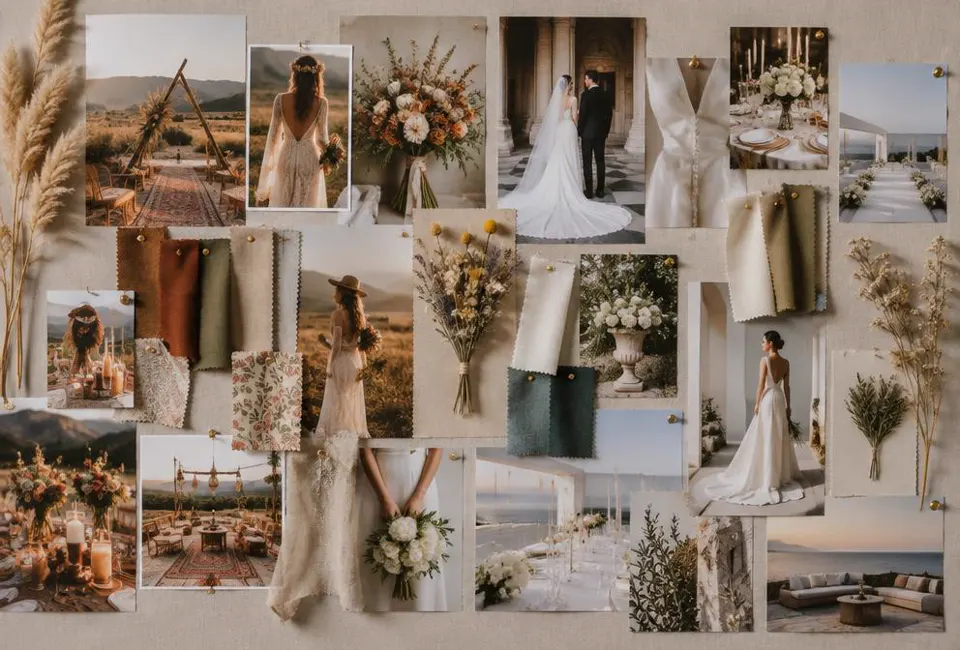
The Lifestyle Audit: Finding Style in the Everyday
The most authentic wedding style ideas are not found on social media feeds but within the walls of your own home. By conducting a lifestyle audit, you can translate your daily aesthetic preferences into a cohesive event design that feels natural rather than staged.
Many couples begin their planning process by scrolling through endless galleries of wedding style ideas, which often leads to decision fatigue and a lack of personal connection. Instead of looking outward, start by looking at your current environment. The colors you chose for your bedroom walls, the texture of your favorite sofa, and the silhouettes in your closet are the most reliable indicators of your true taste. These elements represent choices you make every day without the pressure of an event. When you align your wedding with these existing preferences, you create a celebration that feels like a heightened version of your best life.
The Wardrobe and Wellness Inventory
Your clothing choices offer immediate data points for your wedding aesthetic. If your wardrobe is dominated by structured blazers and neutral linens, a highly ornate or bohemian wedding might feel like wearing a costume. Conversely, if your home is filled with vibrant textiles from your travels to Morocco or Mexico, a minimalist white gallery wedding might feel sterile. Evaluate your favorite travel destinations to see if you prefer the bustle of cosmopolitan cities or the quietude of coastal retreats. These preferences should dictate the foundational atmosphere of your wedding, ensuring that the final design reflects your shared history.
The Three Pillar Audit Exercise
- Home Decor: Note three recurring materials in your living space like brushed brass, raw wood, or velvet.
- Fashion DNA: Identify if your style is classic, avant-garde, relaxed, or structured based on your five most worn items.
- Travel Sensibility: Determine if your ideal vacation involves luxury high-rise hotels or rustic mountain cabins.
- Color Palette: Open your closet and identify the three most common colors that appear in your professional and social attire.
- Hosting Style: Recall the last dinner party you hosted and whether it was a formal multi-course meal or a casual buffet.
Consider the case of Sarah and David, a couple who spent weeks pinned between a rustic barn theme and a traditional ballroom setting. After performing a lifestyle audit, they realized that their genuine passion for mid-century modern furniture was the most consistent theme in their lives. They owned teak sideboards and geometric prints that stood in stark contrast to the burlap and lace they were seeing online. By shifting their focus to their actual interests, they opted for a 1960s inspired lounge wedding with clean lines and a mustard and teal palette. This decision eliminated their stress because the style was an extension of their home.
While global wedding costs vary, with the US average at about $33,000 according to The Knot Real Weddings Study 2025 and Australia at about A$35,315 according to Easy Weddings 2025, the most expensive mistake is investing in a style that does not suit you. In Canada, where the average is about C$30,000 per RBC, and the UK, ranging from £20,600 per Bridebook 2024 to £23,000 per Which? 2024, couples often overspend on decor that clashes with their personality. A lifestyle audit acts as a financial filter, helping you allocate funds toward items you truly value rather than generic industry standards.
Lifestyle Audit Checklist
- Photograph your three favorite rooms in your home.
- List the top three textures found in your living room furniture.
- Identify the 'vibe' of your favorite restaurant.
- Check your jewelry box for a preference between gold, silver, or rose gold.
- Review your last three vacation photos for architectural themes.
- Determine if you prefer candlelight or bright, natural light.
- Identify if your preferred art style is abstract, realistic, or minimalist.
- Evaluate if you feel more comfortable in formal attire or smart casual clothing.
Ultimately, your wedding style should be a celebration of your identity as a couple. By analyzing the physical objects and environments you already love, you bypass the confusion of fleeting trends. This internal audit provides a clear roadmap for every decision that follows, from the floral arrangements to the table settings. When you stay true to your everyday aesthetic, you ensure that the wedding feels authentic to you and comfortable for your guests. The goal is to walk into your wedding venue and feel like you have arrived at the ultimate version of your own home.
Financial Frameworks for Aesthetic Choices
Establishing a financial framework ensures your wedding style ideas remain achievable and grounded in reality rather than just aspirational imagery. Understanding global spending benchmarks allows couples to distribute funds effectively between structural necessities and aesthetic flourishes.
Before selecting a theme, couples must understand the global landscape of wedding costs to set realistic expectations. According to The Knot Real Weddings Study 2025, the US average is about $33,000. In the UK, figures range between £20,600 (Bridebook 2024) and £23,000 (Which? 2024). Meanwhile, Australia sits at about A$35,315 (Easy Weddings 2025) and Canada averages about C$30,000 (RBC). These figures represent the total investment, but the aesthetic portion is a subset of this total. Most planners suggest allocating approximately 10 to 15 percent of the total budget specifically to decor and styling elements to achieve a cohesive visual look.
The Decor Weighting Ratio
Consider the case of Sarah and Leo, who envisioned a lush, garden-inspired wedding. They quickly realized that their favorite wedding style ideas required a high density of organic materials. If a couple chooses a 'Maximalist' style, the decor allocation may need to rise to 20 percent, requiring cuts in other areas like transportation or favors. Conversely, a 'Minimalist' or 'Industrial' style might only require 8 percent if the venue already possesses strong architectural character. The goal is to identify which style provides the highest visual impact for every dollar, pound, or loonie spent on physical items like linens, lighting, and centerpieces.
| Region | Total Average Budget | Standard Decor (10%) | High-Impact Decor (20%) |
|---|---|---|---|
| United States (The Knot 2025) | $33,000 | $3,300 | $6,600 |
| United Kingdom (Which? 2024) | £23,000 | £2,300 | £4,600 |
| Australia (Easy Weddings 2025) | A$35,315 | A$3,531 | A$7,063 |
| Canada (RBC) | C$30,000 | C$3,000 | C$6,000 |
A common mistake is failing to account for the 'infrastructure' of style. This includes rentals like specialized chairs, premium glassware, or custom lighting rigs that support the overall look. When wedding style ideas involve heavy customization, labor costs for setup and strike can consume 30 percent of the decor budget alone. Couples should use a 70/30 rule. 70 percent of the aesthetic budget goes toward the visible items guests interact with, while 30 percent is reserved for delivery, setup, and unexpected taxes. This prevents the heartbreak of falling in love with a look that is technically impossible to install within the financial limit.
To finalize your financial framework, conduct a 'Price to Visual' audit. Ask if a specific style requires expensive imports or if it can be achieved with local, seasonal materials. For example, a Mediterranean theme in a cold climate will cost significantly more due to floral transport costs compared to a local rustic style. By aligning your aesthetic desires with the economic realities of your region, you ensure that the chosen style feels effortless and high quality rather than stretched thin. Practicality does not kill creativity. It provides the boundaries within which true innovation happens for your celebration.
Style Budget Readiness Checklist
- Identify the total budget based on regional averages like the UK £23,000 or Canada C$30,000.
- Calculate a 15 percent 'Style Cap' for decor and rentals.
- Research local labor costs for event setup and breakdown.
- Determine if the venue requires significant aesthetic 'masking'.
- Compare three wedding style ideas against local material availability.
- Allocate a 5 percent buffer for last-minute aesthetic adjustments.
- Verify if rental delivery fees are included in initial quotes.
- Confirm the number of tables to calculate centerpiece density.
- Prioritize one high-impact visual area over many small details.
The Venue Alignment Formula: Matching Style to Space
The physical environment acts as the foundation for your wedding style ideas, dictating how much decor is required to achieve a cohesive aesthetic. Successful couples treat the venue as a collaborator rather than a blank canvas that needs to be concealed.
When selecting a theme, couples often fall into the trap of fighting the existing architecture. Elena and Marcus initially envisioned a rustic woodland wedding complete with hay bales and distressed timber. However, they fell in love with a brutalist industrial gallery featuring raw concrete walls and exposed steel beams. They quickly realized that trying to force a farmhouse aesthetic into this cold, geometric space would feel disjointed. Instead of fighting the venue, they pivoted to a minimalist luxe style. By embracing the concrete backdrop and adding soft velvet textures, they achieved a sophisticated look that felt intentional rather than forced.
Implementing the 70:30 Decor Formula
To ensure your wedding style ideas align with your surroundings, apply the 70:30 rule. This framework dictates that 70 percent of the visual impact should come from the permanent structures of the venue: the flooring, the ceiling height, the window shapes, and the wall materials. The remaining 30 percent is allocated to your personal decor, such as floral arrangements, linens, and signage. If your desired theme requires you to cover more than 30 percent of the venue to look right, you are likely in the wrong space. This formula prevents overspending on rentals that serve only to hide the room.
Venue Architecture Compatibility Audit
- Do the window frames match the era of your chosen aesthetic?
- Will the existing flooring color clash with your primary palette?
- Is the ceiling height appropriate for your centerpiece scale?
- Does the venue lighting temperature complement your color tones?
- Can the wall textures support your hanging installations?
- Are the permanent fixtures, like bars or stages, stylistically neutral?
- Does the outdoor landscaping align with your seasonal floral choices?
- Will your attire silhouettes move easily through the venue layout?
Consider the psychological weight of the materials present in the building. A ballroom with ornate gold leaf and mahogany requires a style that carries equal weight, such as black tie traditionalism. Conversely, a beachfront pavilion with open air slats and light wood demands a lighter, more ethereal approach. When Elena and Marcus stopped viewing the concrete as a hurdle, they used it to their advantage. They chose sleek acrylic chairs that allowed the architecture to shine through, effectively using the venue as a primary design element. This reduced their floral budget because the walls provided enough visual interest on their own.
| Venue Feature | Primary Style Match | Avoid These Themes |
|---|---|---|
| Exposed Brick and Ductwork | Modern Industrial / Urban Chic | French Country / Shabby Chic |
| Ornate Molding and Chandeliers | Classic Glamour / Regency | Boho / Tropical Beach |
| Floor to Ceiling Glass | Minimalist / Contemporary | Vintage Rustic / Heavy Gothic |
| Exposed Stone and Timber | Organic / Mediterranean | High Tech / Neon Futurism |
| White Box Studio | High Fashion / Art Deco | Traditional English Garden |
Finally, remember that the guest experience is shaped by the transition from the exterior to the interior. If the venue exterior is a sleek modern skyscraper but the interior is decorated like a medieval castle, the lack of continuity creates a jarring experience. Use the Venue Architecture Compatibility Audit to spot these discrepancies early. By respecting the venue's natural character, you create a seamless environment where the decor feels like an organic extension of the space. This approach not only saves money but also ensures that your wedding photography looks balanced and professional for years to come.
Defining Your Identity: The Three Word Method
Narrowing down hundreds of wedding style ideas requires a transition from abstract inspiration to precise language. The Three Word Method acts as a stylistic anchor, ensuring every design choice remains cohesive and representative of your partnership.
The primary challenge for many couples is the sheer volume of imagery available. When you browse thousands of wedding style ideas online, the brain tends to categorize everything as beautiful, even if the concepts are diametrically opposed. To combat this decision fatigue, the Three Word Method requires you to select three distinct adjectives that define the atmosphere, the aesthetic, and the emotional tone of your day. These words serve as a filter for every future choice, from invitation fonts to floral textures. If a specific element does not align with at least two of your three words, it is likely a distraction from your core vision.
The Selection Process: From Brainstorm to Final Filter
Begin by working individually. Each partner writes ten adjectives describing their ideal wedding day. These should include sensory words like organic or metallic, and emotional words like intimate or high energy. Once you compare lists, identify the overlaps. If Leo chooses rustic and organic while Sarah chooses elegant and refined, the goal is not to force one person to yield. Instead, look for the intersection of these concepts. For this couple, the middle ground might be polished naturalism. This allows them to use raw wood elements from Leo's list but finish them with the high gloss or structured arrangements from Sarah's vision.
Finding the Middle Ground: A Conflict Resolution Script
- Partner A: I really want the wedding to feel formal and traditional because it feels significant.
- Partner B: I am worried that formal feels stiff. I want everyone to feel relaxed and at home.
- The Solution: Instead of choosing one word, combine them into a bridge phrase like refined comfort.
- Application: Use high quality velvet linens (formal) but serve family style comfort food (relaxed).
- The Check: Does this specific floral centerpiece feel like refined comfort? If it is too wild, it fails the refined test. If it is too rigid, it fails the comfort test.
Consider the case of David and Elena. David wanted a minimalist, modern aesthetic, while Elena dreamed of a colorful, maximalist garden party. They felt their wedding style ideas were incompatible until they applied this method. By discussing the why behind their choices, they landed on the words architectural, vibrant, and intentional. This allowed them to use a clean, modern venue with stark lines but fill it with exploding, colorful floral installations. The architectural word satisfied David, while the vibrant word satisfied Elena. The word intentional ensured they did not over clutter the space, respecting the minimalist roots David preferred.
| Partner A Word | Partner B Word | Synthesized Result | Design Application |
|---|---|---|---|
| Rustic | Modern | Organic Minimalist | Clean lines with raw stone textures |
| Glamorous | Bohemian | Luxe Ethereal | Draping fabrics with metallic accents |
| Classic | Eclectic | Curated Traditional | Antique vessels with unexpected blooms |
| Grand | Intimate | Impactful Detail | Small guest count with lavish tabletop |
| Moody | Whimsical | Enchanted Noir | Dark palettes with playful light elements |
Once your three words are finalized, write them down and share them with every vendor you interview. This prevents the common mistake of a florist creating a whimsical garden bouquet for a couple who actually wants something architectural and crisp. While the average wedding in Australia costs about A$35,315 according to Easy Weddings 2025, and the UK average is between £20,600 (Bridebook 2024) and £23,000 (Which? 2024), the Three Word Method ensures that every cent of that budget is spent on items that reinforce your specific identity rather than generic trends.
Beyond the Rainbow: Using Texture and Tone
True design depth emerges when you move past two dimensional color swatches to consider the physical surfaces that bring wedding style ideas to life. This section explores how the tactile nature of your materials defines the sophistication and atmosphere of your celebration.
Many couples begin their planning by selecting a specific color, but color is merely a surface level decision. The real transformation happens through texture, which dictates how light interacts with your surroundings. For instance, consider the difference between a deep navy silk and a deep navy velvet. While the hue remains constant, the silk reflects light to create a sharp, formal energy, whereas the velvet absorbs it to produce a moody, intimate atmosphere. To build a cohesive profile, you must treat your materials as a primary design element that communicates your intended style just as loudly as your floral choices.
Take the case of Sarah and Matteo, who wanted a modern industrial look. Initially, they chose black and white as their colors. However, the space felt cold until they introduced contrasting textures. By mixing matte black metal chairs with soft, flowing linen table runners and sleek acrylic signage, they achieved a balance between harsh architectural lines and welcoming softness. This interplay of materials prevents a monochromatic palette from feeling flat. When you shop for linens or stationary, touch the materials and ask yourself if the physical weight of the item aligns with the emotional weight of your ceremony.
The Four Element Palette Formula
To ensure your visual identity remains balanced and avoids looking cluttered, follow a strict four element formula. Start with one base neutral such as cream, slate, or oatmeal to ground the space. Add two primary colors that represent your core aesthetic. Finally, incorporate one metallic or high contrast accent to act as a visual exclamation point. This structure prevents the common mistake of over styling, where too many competing shades dilute the impact of the design. By limiting the palette and varying the textures of these four elements, you create a professional level design that looks intentional rather than accidental.
| Desired Style | Primary Texture | Secondary Texture | Accent Element |
|---|---|---|---|
| Ethereal Romance | Chiffon or Tulle | Handmade Paper | Brushed Gold |
| Modern Minimalist | Polished Concrete | Frosted Acrylic | Matte Black Steel |
| Rustic Elegance | Washed Linen | Weathered Wood | Antique Copper |
| Classic Formal | Heavy Damask | Crystal | Polished Silver |
| Bohemian Chic | Macrame Cotton | Raw Rattan | Brass Tones |
Beyond the visual impact, your choice of materials directly influences the guest experience. A heavy linen napkin feels more substantial and luxurious than a standard polyester blend, even if they are the exact same shade of white. When reviewing your budget, consider that the tactile elements guests interact with most, such as seating and table settings, offer the highest return on investment for style perception. According to The Knot Real Weddings Study 2025, the average US wedding costs about $33,000, and a significant portion of successful designs prioritize these high touch areas to create a sense of curated quality.
Texture and Tone Audit
- Do you have at least three different textures represented in your table landscape?
- Does your base neutral account for at least 60 percent of the visual space?
- Have you tested how your metallic accent looks under both natural and artificial light?
- Are your two primary colors complementary rather than competing for attention?
- Does the weight of your stationery match the formality of your fabric choices?
- Have you identified one high contrast element to break up monochromatic blocks?
- Is there a consistent material thread that connects the ceremony to the reception?
- Does your choice of texture align with the existing surfaces of your venue?
Ultimately, mastering wedding style ideas requires a shift from thinking about what things look like to how they feel. If your venue has hard stone floors, introduce plush velvets or soft rugs to dampen sound and add warmth. If you are in a garden with soft grass and foliage, use glass or metal to provide necessary structure. By using the four element formula and diversifying your materials, you move beyond the rainbow and into a sophisticated design territory that feels personal, layered, and professionally executed.
Style as Experience: Impacting the Guest Journey
The wedding style ideas you select act as an invisible director for your guests, subconsciously instructing them on how to interact with the environment and one another. A cohesive style is not merely a visual layer but a structural blueprint for the physical flow and social atmosphere of your celebration.
Every aesthetic choice carries a set of behavioral expectations for your attendees. Consider a couple like Elena and Marcus, who chose a Bohemian Woodland theme. By selecting this style, they signaled a relaxed social contract. Their wedding featured low lounge seating with Moroccan floor cushions and communal grazing platters that encouraged guests to reach across the table. This style dictates a fluid, informal flow where movement is constant. Conversely, a couple opting for Classic Elegance, like Sarah and David, creates a structured journey. Their choice necessitates white glove service and a rigid seating chart, ensuring the guest experience feels curated and dignified rather than spontaneous.
The Logic of Aesthetic Service Transitions
Conflict arises when the visual style contradicts the functional experience. If you plan an Industrial Minimalism wedding but serve a heavy five course French dinner, the guest journey feels disjointed. The stark, cold lines of an industrial space crave efficient service and modern movement. You must align the sensory inputs of the room with the physical actions of the guests. A Modern Tropical theme might involve standing cocktail receptions with vibrant passed appetizers, fostering high energy. Matching the service speed to the visual energy ensures that the wedding style ideas you have invested in are felt through touch and taste, not just sight.
| Wedding Style Ideas | Primary Service Method | Guest Interaction Level | Spatial Requirement |
|---|---|---|---|
| Rustic Farmhouse | Family Style Platters | High: Social Sharing | Long Trestle Tables |
| Classic Elegance | Plated Multi Course | Low: Formal Observation | Spaced Round Tables |
| Bohemian Luxe | Open Grazing Stations | High: Continuous Flow | Lounge Areas and Nooks |
| Industrial Minimalist | Passed Small Plates | Medium: Standing Social | Open Floor Plan |
| Avant Garde | Interactive Food Labs | High: Participatory | Modular Clusters |
Budgeting for these experiences varies significantly by region. For instance, the UK average wedding cost is around 20,600 pounds according to Bridebook 2024, or up to 23,000 pounds according to Which? 2024. In the US, the average is about 33,000 dollars per The Knot Real Weddings Study 2025. Couples in Australia face average costs of 35,315 Australian dollars per Easy Weddings 2025, while Canadians spend about 30,000 Canadian dollars according to RBC. Regardless of the total spend, allocating approximately 40 to 50 percent of the budget to the guest experience ensures the chosen style is delivered through quality service and comfort rather than just decor.
Guest Journey Style Alignment Checklist
- Confirm the seating density matches the formality of the theme.
- Ensure the lighting temperature reflects the desired social energy.
- Check that the flooring at the venue supports the style of footwear expected.
- Match the musical volume to the intimacy of the dining style.
- Verify that the transition from ceremony to reception maintains stylistic rhythm.
- Align the menu complexity with the physical space available at the table.
- Audit the bar service speed against the total number of guests.
- Evaluate if the departure ritual matches the opening energy of the day.
Ultimately, the guest journey is defined by how well you manage expectations through your wedding style ideas. If the invitation suggests a Black Tie theme, the guest expects a certain level of comfort and formality in the service. Failing to provide a seat for every guest or asking them to queue for food in formal attire creates a style friction. Ensure every touchpoint, from the texture of the menu card to the method of coffee service, reinforces the central identity you have built. Consistency in the experience creates a lasting memory that transcends simple floral arrangements or color palettes.
Common Mistakes: Trend Traps and Over-Styling
Developing a cohesive visual identity requires as much restraint as it does creativity. Avoiding the clutter of fleeting trends ensures that your wedding style ideas remain timeless and impactful rather than overwhelming.
The most frequent error in wedding design is theme fatigue. This occurs when a couple attempts to fuse too many disjointed wedding style ideas into one event. For example, Sarah and Mateo loved both industrial minimalism and tropical maximalism. By trying to use neon signs, concrete planters, monstera leaves, and velvet drapes simultaneously, the space felt frantic. Theme fatigue happens when the eye has no place to rest, causing the guest to lose the narrative of the couple. A successful design relies on a primary anchor style with only subtle accents from a secondary influence to maintain a sense of intentionality.
Refining the Vision with the Subtraction Test
To combat over styling, apply the subtraction test during the final design phase. Choose a specific area, such as the reception tablescape, and identify every unique element present. Remove two significant items, like a decorative charger plate or an elaborate menu tassel, and step back. If the core message and elegance of the table remain intact, those items were likely clutter. This process ensures that every piece earns its place. Stripping away the excess allows the high quality materials and the natural architecture of the venue to stand out, which creates a more sophisticated atmosphere for the celebration.
Over reliance on fleeting social media trends can also lead to regret. While specific colors or props might be viral today, they often lack longevity. Consider Maya and Hiro, who focused their entire budget on a specific shade of iridescent decor that was popular during their planning year. By the time the wedding arrived, the look felt dated. Instead of chasing a specific viral prop, focus on the underlying principles of that trend, such as light reflection or transparency, which can be executed through timeless materials like glass or high quality acrylics.
Red Flags of an Over-Styled Concept
- The mood board contains more than four distinct textures or patterns.
- Signage is required to explain the theme to the guests.
- The floral arrangements obscure the faces of guests trying to converse.
- Every surface in the venue is covered with a decorative object.
- The color palette includes more than five primary shades without a neutral base.
- You feel pressured to include an item simply because it appeared in a viral video.
Finally, remember the financial implications of over styling. The Knot Real Weddings Study 2025 notes the US average is about $33,000, while Bridebook 2024 states the UK average is about £20,600. When you clutter a space with small, inexpensive items to fill gaps, you dilute your budget. It is often more effective to invest in one high impact installation than to buy dozens of small trinkets. A focused budget allows for better quality materials, which naturally look more expensive and curated than a collection of mismatched accessories that serve no functional or aesthetic purpose.
Translating Vision to Reality: Vendor Scripts
The final stage of refining wedding style ideas involves clear communication to ensure your aesthetic vision does not get lost in translation during professional execution.
When you approach a vendor, your primary goal is to minimize ambiguity. Professionals interpret adjectives like romantic or modern differently based on their personal style and previous work. To ensure a cohesive result, you must provide a visual anchor alongside specific verbal cues. This prevents a florist from choosing pastel carnations when you actually envisioned deep burgundy dahlias. By using scripted prompts, you lead the conversation and set a standard for technical accuracy. This approach ensures that the quotes you receive are based on the same specific parameters rather than vague concepts that might lead to unexpected costs later.
Precise Scripts for Core Vendors
For photographers, use this script: We are looking for a documentary style that emphasizes candid moments over posed portraits. We specifically want a high contrast look with deep shadows rather than an airy or light aesthetic. Please look at these three images from our mood board: can you replicate this specific grain and lighting? For florists, try: Our wedding style ideas center on an architectural look. We want to avoid greenery and focus on massed mono-botanical arrangements. How would you translate this specific sculptural shape using seasonal flowers within our budget? These scripts force the vendor to address your technical preferences immediately.
Planner and Venue Coordinator Scripts
- Planner Script: Our three words are industrial, minimalist, and warm. We want the floor plan to prioritize flow and negative space rather than filling every corner with decor.
- Venue Script: We are looking for a layout that highlights the raw concrete walls. How do you suggest we light the space to maintain a moody atmosphere without losing visibility?
- Caterer Script: The presentation should be part of the decor. Can we design a menu where the plating reflects a monochromatic palette to match our table settings?
Consider the case study of Chloe and Sam, a couple who initially received wildly different quotes for their reception styling. Their first outreach was vague, asking for a bohemian vibe. After realizing the price discrepancy, they created a strict mood board featuring specific textiles and lighting setups. They approached three new decorators with the script: We want to use velvet textures and warm Edison bulbs to create an intimate lounge feel. By showing the same images and using the same script, they received quotes that were within 5 percent of each other. This consistency allowed them to choose based on talent rather than trying to decipher different interpretations.
| Region | Average Total Cost | Data Source and Year |
|---|---|---|
| United States | US$33,000 | The Knot Real Weddings Study 2025 |
| United Kingdom | £20,600 to £23,000 | Bridebook 2024 / Which? 2024 |
| Australia | A$35,315 | Easy Weddings 2025 |
| Canada | C$30,000 | RBC |
Ultimately, your wedding style ideas are only as good as your ability to communicate them. If you feel a vendor is pushing back against your vision in favor of their signature style, it is a sign of a poor match. While you pay for their expertise, the framework should remain yours. Use your scripts to vet their willingness to adapt. A professional who asks clarifying questions about your mood board is usually a better investment than one who promises to handle everything without looking at your specific references. Clear communication protects your budget and your aesthetic sanity throughout the planning process.
Final Vision Execution Checklist
- Share the same five image mood board with every single vendor.
- Use your three style words in every initial inquiry email.
- Ask vendors to describe your vision back to you in their own words.
- Request a physical swatch or sample before signing high value contracts.
- Confirm that the lead creative you interviewed will be the one on site.
- Verify that the lighting plan complements your chosen color palette.
- Double check that the floral varieties discussed are available in your month.
- Review the contract to ensure specific aesthetic details are documented.
- Walk through the venue at the same time of day as your event.