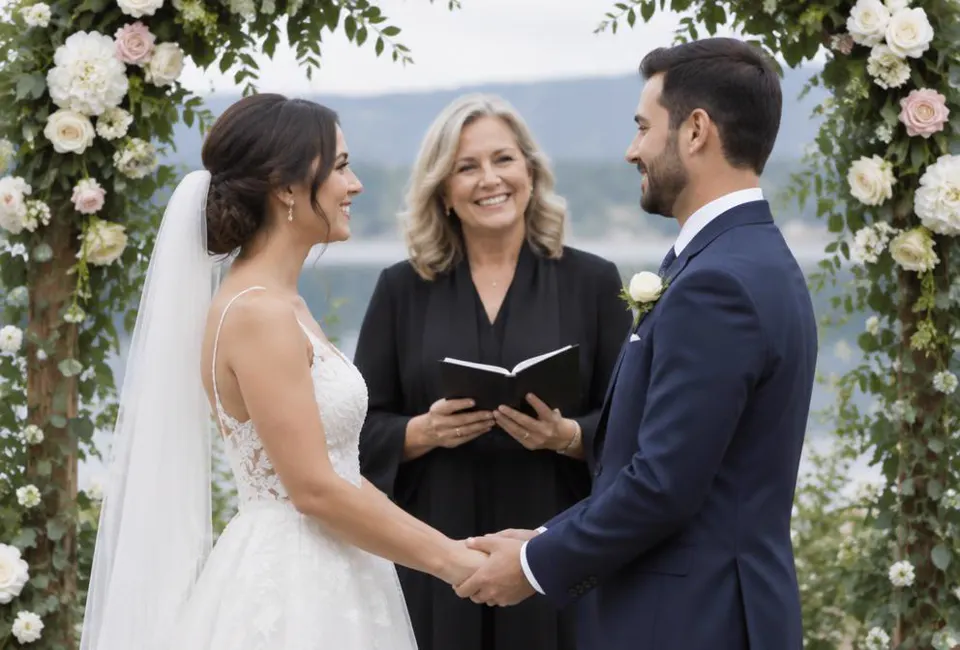
Defining Your Ceremony Style and Values
Selecting the right person to lead your vows is a pivotal step in learning how to choose a wedding officiant who honors your unique bond. This foundational section guides you through the process of auditing your personal values to ensure your ceremony reflects your vision.
Before you begin browsing directories, you must define the atmosphere of your event. Consider the case of Sarah and David, a couple where one partner grew up in a devout household while the other identifies as secular. They initially struggled to find common ground. By focusing on their shared values of community and kindness, they realized they needed an officiant who could balance traditional gravity with modern accessibility. Your first task is to decide if you require a religious representative to satisfy spiritual requirements, a civil official for a legal and efficient exchange, or a humanist celebrant who focuses on the human experience and personal narrative.
The Officiant Style Decision Matrix
| Priority | Ceremony Type | Best Officiant Match | Key Characteristic |
|---|---|---|---|
| Spiritual Tradition | Religious | Clergy / Rabbi / Imam | Strict adherence to liturgy |
| Legal Efficiency | Civil | Judge / Registrar | Standardized legal language |
| Personal Narrative | Humanist | Professional Celebrant | Storytelling and warmth |
| Intimacy and Ease | Informal | Friend or Family | Deep personal connection |
Alignment goes beyond just the title of the officiant. You must consider the tone of the delivery. A mismatch occurs when a couple envisions a lighthearted, laughter filled afternoon, but hires a stern official who insists on a rigid script. To avoid this, visualize the emotional arc of your ceremony. Do you want it to feel like a sacred rite, a theatrical performance, or a conversation among friends? Determining this now allows you to filter candidates who specialize in your specific vibe, saving you hours of unproductive interviews later in your planning process.
Customization is the next pillar of your decision. Some religious and civil officials are bound by strict legal or canonical scripts that cannot be altered. If you and your partner want to write your own vows or include unique rituals like a handfasting or a sand ceremony, you must verify flexibility upfront. Ask potential officiants if they provide a standard template or if they build the service from scratch. A professional celebrant usually offers 100 percent customization, whereas a government registrar might offer only three fixed options for the wording of your promises.
Critical Questions for Ceremony Vision
- What is the average length of the ceremonies you perform?
- Are we permitted to write 100 percent of the ceremony text?
- How do you handle unexpected interruptions like crying babies or weather changes?
- Can you incorporate traditions from two different cultural backgrounds?
- Do you require us to attend pre-marital counseling or workshops?
- Will you share the full script with us for approval before the wedding day?
Finally, consider the logistical constraints of your venue and timeline. If you are getting married in a location with strict time slots, such as a public park or a busy chapel, an officiant who tends to improvise and run long could cause significant stress. Conversely, if you have invested in a luxury experience, a five minute civil ceremony might feel anticlimactic. Discussing the duration during your first meeting ensures the ceremony fits the rhythm of the day. This clarity helps Sarah, David, and couples like you feel confident that the person standing at the altar truly represents their partnership.
Religious Leaders, Celebrants, and Secular Officials
When learning how to choose a wedding officiant, you must first identify which category of professional aligns with both your personal beliefs and the legal frameworks of your specific region. This choice dictates the tone of your ceremony and the logistical steps required to ensure your marriage is recognized by the state.
Ordained clergy members represent the traditional choice for couples prioritizing faith. These individuals, such as priests, imams, or rabbis, perform ceremonies within a specific religious tradition and often require the wedding to take place inside a house of worship. While they provide a deep sense of ritual and community, they often require pre-marital counseling or adherence to specific doctrinal rules. For example, Elena and Mateo chose a Catholic priest in Madrid but had to complete a six month preparation course to meet the requirements of the parish. Clergy members typically focus on the spiritual union over individual customization of the script.
Government Officials and Civil Servants
Civil officials include justices of the peace, judges, or designated municipal clerks who perform secular ceremonies. Their primary function is legal rather than ceremonial. In many jurisdictions, these officials are restricted to specific locations like a courthouse or city hall and must follow a standardized, brief script. Couples like Sarah and Wei in Vancouver chose a civil officiant for a quick legal ceremony before their larger destination event. This option is ideal for those who view the ceremony as a legal contract rather than a storytelling opportunity, as these officials rarely offer personalized vows or long speeches.
Independent celebrants and humanists offer a middle ground for couples seeking a personalized but non-religious experience. Unlike government officials, celebrants focus heavily on storytelling, creating unique scripts that reflect the couple's history and values. In countries like Australia, where the average wedding cost is about A$35,315 according to Easy Weddings 2025, celebrants are highly popular because they can perform ceremonies anywhere from beaches to private gardens. While many celebrants are legally authorized to solemnize marriages, some jurisdictions require a separate civil ceremony at a registry office to handle the legal paperwork before the celebrant led event.
| Officiant Type | Primary Focus | Legal Authority | Venue Flexibility |
|---|---|---|---|
| Ordained Clergy | Religious Doctrine | High (if registered) | Low (Usually Houses of Worship) |
| Justice of the Peace | Legal Compliance | Universal | Limited (Courthouses/Offices) |
| Humanist Celebrant | Values and Ethics | Varies by Region | High (Outdoor/Unique Sites) |
| Independent Celebrant | Personal Storytelling | Varies by Region | High (Any Location) |
| Notary Public | Signature Verification | Only in specific areas | Variable |
Selecting the right category involves balancing your desired atmosphere with the administrative reality of your location. A common mistake is assuming a celebrant has the same legal powers as a judge in every country. For instance, in parts of the United Kingdom, a humanist ceremony may not be legally binding without a concurrent civil registration. Always verify if your chosen officiant can sign the marriage register or if you must visit a government building separately. This distinction ensures your celebration is both emotionally resonant and legally valid under your local laws.
Decision Framework for Choosing an Officiant Type
- Determine if a religious setting is a non negotiable requirement for your families.
- Check if your local laws allow independent celebrants to sign legal documents.
- Assess if you prefer a standardized five minute script or a custom forty minute story.
- Confirm if the officiant is willing to travel to your chosen venue or requires a specific site.
- Review if pre-marital counseling is a mandatory prerequisite for your chosen official.
- Identify if you need a bilingual officiant to accommodate guests from different backgrounds.
- Evaluate if the officiant allows you to write and recite your own personal vows.
- Calculate if the officiant's fees fit within your total budget percentages.
Navigating Legal Requirements and Paperwork
Securing a professional to lead your ceremony is a matter of heart, but ensuring the union is legally binding requires meticulous attention to administrative detail. Navigating the paperwork is a critical component of how to choose a wedding officiant to avoid the stress of an invalid marriage.
Before you commit to a specific officiant, you must verify their legal standing in the jurisdiction where you will exchange vows. Regulations vary wildly between borders. For instance, in many parts of the United States, an online ordination may suffice. However, in other regions, an officiant must be a registered member of the clergy or a government appointed civil servant. Consider the case of Sarah and Mateo, who planned a ceremony in Quebec. While they found a celebrant they loved, they realized the officiant needed a specific registration number from the Directeur de l'etat civil to be recognized. Without this verification, their ceremony would have been purely symbolic.
Budgeting for these legalities is essential as you calculate your total wedding spend. According to RBC, the average cost of a wedding in Canada is about C$30,000, but the portion allocated to legal fees fluctuates significantly by province. In some areas, a marriage license costs less than C$50, while in others, it can exceed C$150. Similar variations exist globally. For example, in the UK, where Bridebook 2024 reports average costs of about £20,600, couples must account for separate notice of marriage fees at local register offices which are distinct from the officiant's service fee.
Special Considerations for Destination Weddings
Destination weddings introduce layers of complexity regarding residency requirements and document translation. If you are traveling abroad, ask your potential officiant if they can provide an Apostille or a legalized marriage certificate that your home country will recognize. Some couples choose to complete the legal paperwork at a local courthouse before traveling to ensure everything is valid. This allows the destination ceremony to focus entirely on the emotional experience. Always confirm if your officiant has the authority to sign international documents or if a secondary civil official must be present during the ceremony to witness the signatures.
| Requirement Type | Verification Step | Officiant Responsibility |
|---|---|---|
| Legal Registration | Check government registry | Provide license number |
| Jurisdiction | Confirm local boundary | Verify permit for specific area |
| Residency | Check waiting periods | Advise on filing timelines |
| Witnesses | Confirm number required | Ensure legal age of witnesses |
| Filing Method | Verify digital vs paper | Submit documents to registry |
Responsibility for the marriage license often falls into a gray area between the couple and the officiant. While the couple is almost always responsible for obtaining the license from the local government office, the officiant is typically responsible for executing the document correctly during the ceremony and returning it to the proper authorities. Failure to file within the legal window, which is often as short as ten days, can result in the marriage being voided. When interviewing candidates, ask for a clear breakdown of their post-ceremony filing process to ensure your transition into married life is legally seamless.
Marriage License and Paperwork Checklist
- Confirm the officiant's active registration status with local authorities.
- Verify the specific expiration date of the marriage license.
- Check if the officiant requires a physical or digital copy of the license.
- Identify who will physically transport the license to the ceremony.
- Confirm the number of legal witnesses required by your province or state.
- Establish who is responsible for mailing the signed license post-ceremony.
- Request a tracking number if the documents are sent via mail.
- Determine the timeline for receiving the official marriage certificate.
- Ensure the officiant has a backup plan if they are unable to attend.
The Interview Framework and Script
The interview is your primary tool to determine if an officiant can translate your personal history into a coherent and moving public narrative. By using a structured script, you can move beyond superficial charm to evaluate technical competence and logistical reliability.
When Priya and Marc met with a potential celebrant, they focused on the individual's ability to handle high pressure environments. Priya wanted a ceremony that felt intimate yet professional, while Marc was concerned about how the officiant would handle their desire to include a complex candle lighting ritual. During the meeting, they asked the officiant to read a sample paragraph from a previous script. This allowed them to assess vocal projection, pacing, and tone. They noticed the officiant paused for effect and maintained eye contact, which convinced them that the professional could command the room without overshadowing the couple.
The Ten Point Interview Script
Essential Questions for Potential Officiants
- How do you gather information about our relationship to personalize the script?
- Do we have final approval over every word spoken during the ceremony?
- What is your protocol if you are ill or have an emergency on our wedding day?
- Are you willing to attend and lead the wedding rehearsal?
- How do you handle technical issues, such as a failing microphone or loud background noise?
- Can you incorporate specific cultural or secular rituals we have chosen?
- Do you provide a printed keepsake version of our ceremony script?
- How long is your typical ceremony, and how do you manage the timing?
- Will you coordinate with our photographer and videographer regarding placement?
- What do you wear to ensure you complement the wedding aesthetic?
Flexibility is a core requirement that Priya and Marc tested by suggesting a last minute change to their vows. A rigid officiant might resist alterations to their established flow, but a great partner will offer guidance on how to integrate new ideas effectively. Ask the candidate how they handle mistakes during the live event. Their response will reveal their level of experience. An expert officiant stays calm, uses humor if appropriate, and keeps the ceremony moving forward. This adaptability is what separates a standard script reader from a true master of ceremonies.
The writing process is the most time consuming part of the collaboration. Some officiants use a standard template with three or four customizable fields, while others build a bespoke narrative from scratch. Inquire about the number of revisions included in their fee. If you are aiming for a highly personalized ceremony, you should expect a collaborative drafting phase that lasts several weeks. Ensure they are comfortable with the level of involvement you desire, whether you want to be surprised by their words or you want to edit every comma.
Finally, discuss the rehearsal. Many couples mistakenly assume the wedding planner leads this, but the officiant must be there to walk through the choreography of the ceremony. They need to see where people will stand and how the sound carries in the space. Confirm if the rehearsal is included in the base price or if it requires an additional travel fee. Seeing the officiant interact with your wedding party during the rehearsal provides a final layer of confidence before the big day arrives. This alignment prevents confusion and ensures a smooth transition between different segments of the event.
| Evaluation Criteria | Red Flags | Green Flags |
|---|---|---|
| Communication | Takes over 4 days to reply | Replies within 24 to 48 hours |
| Flexibility | Refuses to edit their template | Offers creative solutions for rituals |
| Public Speaking | Monotone or overly theatrical | Natural, warm, and audible |
| Logistics | No mention of backup plans | Detailed emergency protocol provided |
| Personalization | Does not ask about your story | Uses a detailed questionnaire |
Asking a Friend or Family Member to Officiate
When learning how to choose a wedding officiant, many couples consider bypassing professionals to invite a close friend or relative into the role. This choice offers a level of intimacy that a stranger cannot replicate, but it requires a rigorous assessment of the individual's ability to handle the pressure.
The primary reward of choosing a loved one is the shared history that informs the storytelling during the ceremony. A sibling or best friend can recount personal anecdotes with genuine emotion, making the event feel unique and deeply rooted in your community. However, the risks are substantial. An inexperienced officiant may struggle with technical logistics, such as microphone handling or managing the flow of the processional. If the individual is prone to stage fright or lacks organizational skills, the ceremony may feel disjointed. Couples must weigh the sentimental value against the potential for administrative errors or awkward silences during key transitions.
The Suitability Formula: Reliability and Performance
To determine if a friend is the right fit, use the Officiant Suitability Formula: Reliability (rated 1 to 10) multiplied by Public Speaking Ability (rated 1 to 10). A score below 60 suggests the person may be better suited for a reading rather than leading the service. Reliability includes their track record for meeting deadlines, while speaking ability involves their capacity to project their voice and maintain eye contact. Consider Sarah and Liam, a couple who chose Liam's brother for his humor. They realized too late that his lack of punctuality meant the rehearsal started an hour late, causing unnecessary stress for everyone involved.
| Feature | Friend or Family | Professional Celebrant |
|---|---|---|
| Personal Connection | High: Deep shared history | Moderate: Built during meetings |
| Public Speaking | Variable: Risk of nerves | Consistent: Trained delivery |
| Legal Knowledge | Low: Requires self-study | High: Expert in local laws |
| Script Customization | Unlimited: Total control | Flexible: Collaborative process |
| Reliability Risk | Moderate: Emotional impact | Low: Contractually bound |
When you are ready to ask, use a script that provides an easy exit to avoid straining the relationship. You might say: We have been thinking about who should lead our ceremony and we feel your presence would make it incredibly special. However, we know this is a huge responsibility that involves public speaking and legal paperwork. Would you be interested in officiating, or would you prefer to enjoy the day as a guest? This approach allows them to decline gracefully if they feel overwhelmed. By framing it as a significant task rather than just a favor, you ensure they understand the commitment required for the role.
A Practical Training Plan for the Novice
Once they accept, provide a structured training plan. Start three months out by drafting the script together. By the two month mark, the officiant should practice reading the script aloud three times a week to master the pacing. One month before the wedding, they must verify all local legal requirements to ensure the marriage is valid. Finally, conduct a full rehearsal at the venue. During this time, they should practice technical cues, such as telling the guests to be seated and reminding the couple to hold hands. This preparation ensures that the emotional highlights of the day are not overshadowed by logistical confusion or poor timing.
Essential Preparation Steps for Your Loved One
- Confirm they have the legal standing to sign the license.
- Set a deadline for the first script draft twelve weeks early.
- Review the ceremony flow for logical transitions.
- Schedule a mic check at the venue before the ceremony.
- Practice the 'Please be seated' cue multiple times.
- Print the script in a large, legible font in a sturdy binder.
- Discuss the dress code to ensure they coordinate with the party.
- Plan a backup strategy in case of sudden stage fright.
- Confirm they know where to stand so they are not in the first kiss photo.
Remember that while a friend is free or low cost, the global averages for weddings are significant. In the US, the average is about $33,000 according to The Knot Real Weddings Study 2025. In Australia, it is about A$35,315 per Easy Weddings 2025. For Canada, RBC reports about C$30,000, while the UK ranges from £20,600 according to Bridebook 2024 to £23,000 via Which? 2024. With these investments in mind, ensuring your officiant is well prepared is vital. A friend who is willing to put in the work can create a priceless memory, provided you provide the framework and support they need to succeed.
Understanding Fees and Tipping Etiquette
Navigating the financial commitment of a wedding ceremony involves balancing your overall budget with the personalized expertise required for a memorable event. Understanding how to choose a wedding officiant requires an analysis of professional fees against global spending averages.
When calculating your investment, it is helpful to view the officiant fee within the context of the total wedding expenditure. In the United Kingdom, costs range from £20,600 according to Bridebook 2024 to £23,000 according to Which? 2024. In the United States, the average wedding costs about $33,000 per The Knot Real Weddings Study 2025, while Australian couples spend about A$35,315 per Easy Weddings 2025 and Canadian weddings average C$30,000 according to RBC. Within these frameworks, the officiant fee typically accounts for less than two percent of the total budget, yet this professional is responsible for the most critical moment of the day.
Breaking Down What You Pay For
Professional celebrants and officiants do not simply show up for thirty minutes. Their fee covers approximately ten to fifteen hours of labor. This includes the initial consultation, drafting a custom script, revising the ceremony based on your feedback, and conducting a rehearsal. Consider a couple like Sarah and David who hired a secular celebrant. Their fee included travel costs for a site visit and the management of a high quality portable sound system. These logistical elements ensure your guests can hear every word, making the professional fee a comprehensive package for event success.
Geographic location and ceremony complexity also influence the final quote. If your wedding is in a remote destination, expect to cover mileage or overnight accommodation. Some officiants offer tiered pricing based on the level of personalization. A standard legal signing will cost significantly less than a bespoke ceremony featuring symbolic rituals like handfasting or sand pouring. Always ask if the fee includes the filing of the marriage license or if you are responsible for those government administrative costs separately, as this varies by jurisdiction.
| Officiant Type | Typical Fee Structure | Tipping Expectation | Estimated Tip Amount |
|---|---|---|---|
| Religious Leader | Suggested Donation | Expected | $50 to $100 donation |
| Civil Official | Fixed Government Rate | Rarely Accepted | None |
| Professional Celebrant | Flat Service Fee | Optional | 10% to 15% of fee |
| Friend or Family | Gift or Travel Cover | Recommended | Personalized Gift |
Tipping etiquette remains a common point of confusion for many couples. For religious leaders, a donation to the house of worship is the standard practice rather than a personal tip. For independent secular officiants who set their own prices, a tip is not mandatory but is a kind gesture for exceptional service. If your officiant went above and beyond, such as managing a difficult family dynamic during the rehearsal, a small financial token or a thoughtful handwritten card is appropriate. Avoid tipping government employees or judges, as many are legally prohibited from accepting gratuities.
Officiant Budgeting Checklist
- Verify if the quote includes travel and fuel costs.
- Check if rehearsal attendance is a separate add on fee.
- Confirm if the fee covers the filing of legal paperwork.
- Allocate 1% to 2% of your total budget for the ceremony.
- Identify if a donation to a religious institution is required.
- Determine if the officiant requires a meal at the reception.
- Ask about the deposit amount and final payment deadline.
- Check for extra costs related to custom rituals or props.
- Clarify the refund policy in case of a date change.
Ultimately, the financial agreement should be transparent and documented. Avoid the mistake of selecting an officiant based solely on the lowest price, as this often leads to a generic, uninspired ceremony. Instead, look for value in their experience and the time they dedicate to your story. A clear contract that outlines all inclusions ensures that there are no hidden surprises on your wedding day. By understanding the labor behind the scenes, you can confidently invest in a professional who will provide the emotional and legal foundation of your marriage.
Reviewing Contracts and Confirming Details
The final stage of learning how to choose a wedding officiant involves formalizing your agreement to ensure every logistical detail is captured in writing. This administrative step protects your ceremony from unexpected absences and ensures the script reflects your specific vision.
When reviewing a professional contract, do not overlook the specific logistics of arrival and performance. A standard agreement should dictate that the officiant arrives at least 45 minutes before the processional begins. This window allows for a sound check and coordination with your venue manager. Consider a couple like Sarah and David, who discovered their officiant had a second booking later that day. By formalizing a strict departure time in their contract, they ensured their officiant would not rush the ceremony to reach the next venue. Verify that the document includes a backup plan specifying who will step in if the primary officiant falls ill on the morning of the wedding.
Essential Contract Clauses for Peace of Mind
Cancellation and refund policies are critical components of any wedding service agreement. Most officiants require a non refundable deposit to hold the date, but the remaining balance should be subject to clear terms. For instance, if you must postpone due to a family emergency, your contract should state whether the deposit is transferable to a new date within one calendar year. With global wedding costs often reaching high figures, such as the US average of $33,000 according to The Knot Real Weddings Study 2025, protecting every investment is vital. Ensure the contract also lists any additional travel fees or rehearsal attendance costs to avoid surprise invoices after the celebration.
| Milestone | Timeline | Key Objective |
|---|---|---|
| Initial Script Draft | 3 Months Out | Review tone and flow |
| Final Revisions | 1 Month Out | Lock in readings and vows |
| Logistics Call | 2 Weeks Out | Confirm arrival and parking |
| Emergency Contact | 48 Hours Out | Exchange day of phone numbers |
Finalizing the script requires a structured timeline to prevent last minute stress. Aim to have the full ceremony text approved at least four weeks before the wedding. This gives you time to print programs and allows the officiant to practice their delivery. If you are including cultural traditions or specific religious rites, this period is when you confirm the pronunciation of names and the order of symbolic actions. For example, a couple named Elena and Marcus used this time to ensure their officiant knew exactly when to invite guests to stand for the exchange of rings, preventing any awkward pauses during the live event.
Handling last minute changes requires a clear communication protocol. Establish one primary method of contact, such as email or a specific messaging app, to document all adjustments. If you decide to add a moment of silence or change a reading two days before the ceremony, send the text in a clear, digital format. Avoid verbal agreements for script changes. By maintaining a written trail, you ensure the officiant has the most recent version of the script in their binder. This level of preparation ensures that when you finally stand at the altar, you can focus entirely on your partner rather than the logistics of the ceremony.
The Final Officiant Confirmation Checklist
- Confirm the exact arrival time and location at the venue.
- Verify that the officiant has a copy of the final, approved script.
- Check that all names are spelled correctly in the legal documents.
- Provide the officiant with the wedding coordinator's phone number.
- Ensure the officiant knows the dress code for the ceremony.
- Confirm who is responsible for bringing the marriage license.
- Agree on the method for paying any final balance on the day.
- Confirm if the officiant will stay for the cocktail hour or meal.