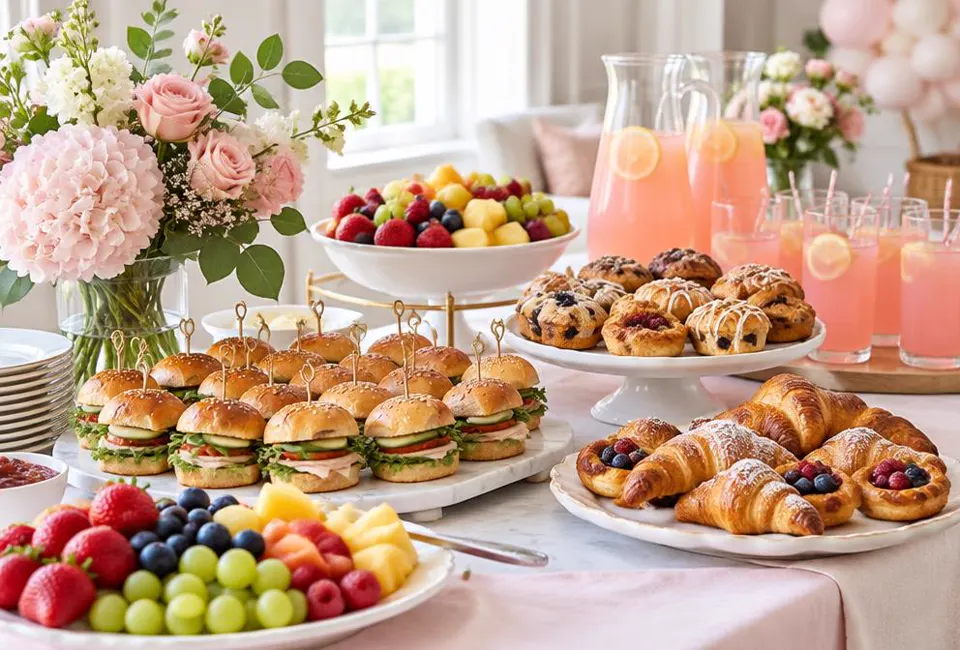
Defining Event Goals and Culinary Vision
The success of any celebratory gathering depends on a clear understanding of the primary objectives and the atmosphere you wish to cultivate. By establishing a firm vision early in the process, you ensure that every subsequent choice reflects the preferences of the guest of honor.
Before you begin browsing baby shower food ideas, it is essential to determine the central goal of the event. Is this a traditional afternoon tea intended for close family, or a high energy co-ed cocktail style celebration with a large group of friends? The objective dictates the complexity and volume of the catering. If the goal is intimacy and deep conversation, a multi course sit down meal provides the structure needed for guests to remain seated and engaged with one another. Conversely, if the goal is to celebrate with as many people as possible in a short timeframe, a buffet or a series of passed hors d'oeuvres will facilitate movement and social mixing. You must balance the host's desire for a specific aesthetic with the practical reality of guest comfort and the physical limitations of the chosen environment to create a cohesive experience.
The theme of the baby shower acts as the anchor for all menu decisions. A whimsical garden theme suggests light, floral infused beverages and delicate pastries, while a rustic outdoor barbecue calls for hearty, easy to eat finger foods and substantial protein options. When planning, consider how the food colors and textures will photograph, as documentation is a significant part of modern celebrations. The culinary vision should also prioritize the guest of honor's favorite flavors or perhaps a specific cuisine that holds sentimental value for their family. This personal touch transforms a generic gathering into a deeply meaningful milestone. Every element from the garnishes on the plates to the labels on the buffet cards should contribute to this overarching narrative, ensuring that the event feels deliberate and well coordinated rather than a collection of random dishes.
Establishing Culinary Priorities and Style
Once the theme is set, you must decide on the level of formality. Formality is often dictated by the time of day, with morning events leaning toward brunch and evening events requiring more substantial dinner options. A brunch allows for a creative mix of sweet and savory items, such as miniature quiches and gourmet fruit platters, which are often more cost effective than prime evening cuts of meat. You should also decide if the food will be the main activity, such as a chef led tasting or a DIY taco bar, or if it will serve as a background accompaniment to games and gift opening. This decision affects the layout of the room, as interactive food stations require more space and specific equipment like heating elements or cooling trays to keep ingredients at safe and appetizing temperatures.
Accessibility is another pillar of a successful vision. A modern menu must account for diverse dietary needs without making those guests feel like an afterthought. Whether you are providing gluten free, vegan, or nut free options, these choices should be integrated seamlessly into the main menu rather than hidden in a corner. A successful vision is inclusive and ensures that every attendee, regardless of their restrictions, has a variety of delicious items to choose from. This level of foresight demonstrates respect for your guests and prevents logistical bottlenecks during the meal. When you look for baby shower food ideas, focus on recipes that can be easily modified or those that are naturally inclusive, such as fresh Mediterranean salads or fruit based desserts, which satisfy a wide range of palates and health requirements.
The logistical feasibility of your vision is the final check before moving to the budget phase. You must be honest about your own capacity as a host or the capacity of your hired help. A vision that requires thirty minutes of plating for every course is not sustainable for a solo host who also wants to participate in the party. Evaluate your kitchen equipment, your storage space, and your available prep time. If the vision exceeds these resources, you must scale back or simplify the menu to ensure that the quality of the food does not suffer. It is always better to serve five perfectly executed dishes than fifteen mediocre ones. A refined and focused vision allows you to allocate your energy and funds where they will have the most significant impact on the guest experience and overall enjoyment.
Ultimately, the vision serves as your decision making framework for the rest of the planning process. When you are faced with too many options or conflicting opinions from family members, referring back to your established goals will help you stay on track. If a specific food trend does not align with your theme or the guest of honor's personality, you can confidently omit it. This clarity reduces stress and ensures that the final event is a true reflection of the love and excitement surrounding the new arrival. By documenting these goals in writing, you create a roadmap that keeps the planning team aligned and focused on delivering a memorable culinary experience that resonates with all who attend this special celebration of new life and family growth.
Vision and Goal Setting Checklist
- Identify the guest of honor's favorite cuisines and absolute dislikes.
- Determine the desired level of formality: casual, semi formal, or formal.
- Choose a central theme that will guide the aesthetic and food presentation.
- Decide between a seated meal, a buffet, or passed appetizers.
- Assess the kitchen and storage capabilities of the event location.
- Define the primary goal: socializing, celebrating traditions, or interactive fun.
Strategic Guest List and Dietary Management
Developing a precise guest list is the foundation of all catering logistics. Knowing exactly who is coming and what they can eat allows for accurate portioning and safety.
The guest list is more than just a roll call: it is a data set that informs every purchase you make. Start by creating a primary list of essential family and friends, then a secondary list if space and budget allow. The total number of confirmed attendees will dictate the quantity of food needed, using standard formulas like three to four pieces of hors d'oeuvres per person per hour for a cocktail style event. If you are serving a full meal, you must account for a ten percent buffer to ensure no one goes hungry. Understanding the demographics of your guest list is also vital. A group with many children will require different snacks and beverages than a group of adults. For instance, younger guests might appreciate simplified versions of the main menu or a dedicated station with familiar, kid friendly options that are easy to handle.
Managing dietary restrictions is a critical component of modern guest list management. In your RSVP process, you must include a specific section for guests to list allergies, intolerances, and lifestyle preferences like veganism or keto diets. This information should be collected at least three weeks before the event to allow for menu adjustments. When looking for baby shower food ideas that cater to everyone, think about modular meals. For example, a salad bar or a build your own bowl station allows guests to omit allergens or animal products based on their individual needs. This approach minimizes the risk of cross contamination and reduces the pressure on the host to create entirely separate meals for different individuals, which can be both time consuming and significantly more expensive.
Quantifying Attendance and Food Volume
Once you have a preliminary count, you can start calculating the volume of specific items. For a standard two hour shower, plan for approximately six to eight bite sized savory items and two to three sweet items per person. If the event spans a traditional mealtime, such as lunch at noon, you must provide the equivalent of a full entree per person, typically measured as 150 to 200 grams of protein and 200 grams of side dishes. Beverages also require careful calculation: generally, plan for two drinks in the first hour and one drink for every hour thereafter. By breaking down the guest list into these quantifiable units, you can create a highly accurate shopping list that prevents the dual problems of wasteful overspending or the embarrassment of running out of food mid event.
Communication with your guests regarding the menu is equally important. If you are serving a full meal, mention it on the invitation so guests do not eat beforehand. If you are only serving light refreshments, this should also be clearly stated to manage expectations. For guests with severe allergies, such as anaphylactic reactions to nuts or shellfish, a personal follow up call is recommended. This allows you to discuss exactly how the food will be prepared and what steps you are taking to ensure their safety. Providing this level of care makes guests feel valued and safe, allowing them to enjoy the celebration without anxiety. It also helps you refine your menu to avoid high risk ingredients entirely if a significant number of guests share the same allergy.
The guest list also impacts the flow of the room and the style of service. A large guest list in a small space may preclude a buffet, as the line would become too long and congest the area. In such cases, passed trays or multiple small stations spread throughout the room are more efficient. If the guest list includes many elderly individuals or people with mobility issues, ensure that there is enough seating and that the food is easy to eat without needing a knife and fork. This consideration for the physical needs of your guests ensures that the food experience is pleasant for everyone involved. Tailoring the service style to the specific makeup of your guest list is a hallmark of a thoughtful and professional event planner.
Finally, keep a digital record of your guest list that includes their RSVP status and dietary notes. This document should be shared with any co hosts or professional caterers involved in the project. As the date approaches and final numbers fluctuate, having a centralized and updated list prevents last minute confusion. Remember to account for the host and the guest of honor in your final counts, as they are often forgotten in the initial tally. By treating the guest list as a dynamic and detailed planning tool, you create the necessary structure for a successful, safe, and well provisioned baby shower. This organized approach allows you to focus on the joy of the occasion rather than the stress of logistical uncertainties.
| Event Type | Savory Items | Sweet Items | Drinks (2 hrs) |
|---|---|---|---|
| Appetizer Only | 8 to 10 pieces | 3 pieces | 3 servings |
| Brunch Buffet | 2 main portions | 2 pastries | 3 servings |
| Full Lunch | 1 entree + 2 sides | 1 large dessert | 3 servings |
| Afternoon Tea | 4 finger sandwiches | 4 small sweets | 3 cups/glasses |
Budget Allocation and Cost Control
Financial planning for a baby shower requires a balanced approach between generosity and fiscal responsibility. A well structured budget prevents overspending while maximizing the quality of the menu.
When establishing your budget, start with a total sum you are comfortable spending, for example, 2,000 in your currency. From this total, allocate approximately 40 to 50 percent specifically to food and beverages, as these are the most impactful elements for the guests. The remaining funds should cover the venue, decorations, and invitations. Within the food budget, prioritize high impact items like a central cake or a signature main dish, while saving on staples like bread, pasta, or seasonal vegetables. By using a percentage based allocation, you can scale the event up or down depending on your financial situation without losing the balance of the party. It is also wise to set aside a 10 percent contingency fund for unexpected costs, such as price fluctuations in fresh produce or last minute guest additions.
To maximize your budget, consider the 'cost per person' metric. If your food budget is 1,000 in your currency and you have 40 guests, you have 25 per person to spend. This figure must cover all courses, drinks, and disposables like napkins and plates. If this amount seems low, you can reduce costs by hosting the event during non meal times, such as 2:00 PM to 4:00 PM, where guests only expect light snacks. Another strategy is to embrace the 'semi homemade' approach: purchase high quality base items from a local bakery or deli and add your own fresh garnishes or custom plating. This gives the appearance of professional catering at a fraction of the cost, allowing you to stretch your funds further while still providing a premium experience for your guests.
Strategies for Cost Reduction and Value
Beverages are often where budgets spiral out of control. Instead of a full open bar, focus on a signature mocktail and one or two types of wine or a light punch. Using seasonal fruits to flavor large dispensers of water or iced tea provides a sophisticated look for very little cost. When shopping for ingredients, buy in bulk for non perishable items and stick to seasonal produce for the freshest and cheapest options. Out of season berries or exotic fruits can double your grocery bill, whereas local, in season alternatives will be more flavorful and affordable. Additionally, compare the cost of renting glassware versus high quality compostable options. While rentals look elegant, they include cleaning and breakage fees that can add up quickly, so choose the option that best fits your labor capacity and budget.
Labor is another hidden cost in event planning. If you are hiring a caterer, the service fees and gratuities can add 20 to 30 percent to your food bill. If you are self catering, your time is the investment. To save money, choose baby shower food ideas that can be prepared in advance. Dishes that require last minute assembly or individual attention from the host are 'expensive' in terms of labor and stress. Opting for large format dishes like baked pastas, savory tarts, or platters of pre made sandwiches allows you to spend your time with the guests rather than in the kitchen. If friends or family offer to contribute a dish, accept their help but provide them with specific recipes or themes to ensure the menu remains cohesive and safe for guests with allergies.
Tracking your spending in real time is essential to staying within your limits. Use a simple spreadsheet to log every receipt, from the large grocery haul to the small pack of toothpicks. This transparency allows you to see where you might be overspending early enough to make adjustments elsewhere. For example, if the cake costs more than expected, you might choose to simplify the appetizer selection. Being flexible with your choices while remaining rigid with your total limit is the key to successful budget management. It is easy to get caught up in the excitement and overspend on unnecessary extras, so always ask yourself if a purchase truly enhances the guest experience or if it is just a decorative flourish that will go unnoticed.
Finally, remember that a high price tag does not guarantee a successful event. Some of the most memorable baby showers are those with simple, well prepared comfort foods and a warm, inviting atmosphere. Focus on quality over quantity and presentation over price. A beautifully arranged platter of simple seasonal fruit can be just as impressive as a complex dessert if it is fresh and thoughtfully displayed. By staying focused on your financial plan, you can host a beautiful celebration that honors the new parent without creating financial stress for yourself. A disciplined approach to your budget ensures that the memories of the day are focused on the celebration, not the bills that follow, providing a peaceful start to this new chapter of life.
Venue Selection and Kitchen Logistics
The choice of venue dictates the scope of your menu and the ease of service. Whether at home or in a rented space, the kitchen facilities are the heart of the operation.
Selecting a venue requires a careful audit of its culinary capabilities. If you are hosting at home, you have total control over the kitchen but may be limited by oven space and refrigerator volume. For a large guest list, you might need to borrow or rent additional coolers to keep beverages and perishable items at safe temperatures. If you choose an external venue like a community hall or a restaurant back room, you must verify what equipment is included. Does it have a microwave for reheating, a large sink for cleanup, or enough counter space for plating? Some venues offer a 'blank canvas' but have very restricted kitchen access, which would require you to bring in food that is entirely cold or kept warm in insulated carriers, known as Cambros, to maintain quality.
The layout of the venue also influences how food is served. A venue with a large open floor plan is ideal for a central buffet, while a more segmented house with several small rooms might benefit from multiple snack stations to prevent crowding in one area. Consider the path from the kitchen to the serving area: is it clear of obstacles, and is it short enough to keep hot food hot? You should also look for 'landing zones' where guests can place their dirty plates and glasses. A venue that lacks these areas will quickly look cluttered and unappealing. When exploring baby shower food ideas, match the menu to the environment; for example, avoid serving messy or dripping foods if the venue has expensive carpets or limited seating where guests must eat standing up.
Evaluating Outdoor Venues and Weather Factors
Outdoor venues offer beautiful natural backdrops but present significant logistical challenges for food safety. Direct sunlight, heat, and wind can quickly ruin a well planned menu. If you are hosting outside, you must have a plan for shade and pest control. Use mesh covers for food platters and keep temperature sensitive items like mayonnaise based salads or cream desserts on beds of ice. You also need to consider the power supply: if you plan to use electric slow cookers or portable burners, ensure there are accessible outlets that won't trip a breaker. A backup indoor plan is essential in case of rain, and this plan must include enough space for the food service to continue uninterrupted, maintaining the same level of quality and safety as the outdoor setup.
Seating and table space are often overlooked components of venue logistics. Every guest needs a place to put their drink, even if they are standing. If you are serving a full meal, every guest needs a proper chair and table space. For a more casual standing event, provide plenty of high top tables or side tables where people can set down their plates. The height of the serving tables is also important: a standard dining table is often too low for a buffet, making it uncomfortable for guests to reach the food. Using table risers or crates under a tablecloth can elevate the food, making it more accessible and creating a more professional, tiered look that adds visual interest to your display while also saving horizontal space on the table.
Trash management and cleanup facilities are the final pieces of the venue puzzle. A venue that provides on site trash removal and a dishwasher is worth a higher rental fee than one that requires you to haul away all waste and hand wash every plate. Check if the venue has specific rules about food waste or recycling. If you are using professional caterers, they will typically handle their own cleanup, but you must ensure they have a designated area to do so that is out of the guests' sight. If you are self catering, recruit a few helpers specifically for the 'strike' phase of the event to ensure the venue is returned to its original state quickly and efficiently. Good logistics behind the scenes ensure the front of the house remains a place of celebration and joy.
In conclusion, the venue should work for your menu, not against it. By matching your food choices to the physical realities of the space, you reduce the risk of logistical failures. A kitchen that is too small for a complex meal can still produce a stunning array of cold platters and room temperature appetizers. A venue with no kitchen at all can be perfectly served by a high quality local delivery or a food truck. Be creative but practical, and always visit the venue in person before finalizing your menu. Seeing the space through the eyes of both a chef and a guest will help you identify potential bottlenecks and opportunities to create a seamless, enjoyable flow for your baby shower food service.
| Venue Type | Kitchen Access | Setup Effort | Cleanup Burden |
|---|---|---|---|
| Private Home | Full access | High (DIY) | High |
| Restaurant Room | None (Staffed) | Low | None |
| Community Hall | Partial/Basic | Moderate | Moderate |
| Outdoor Park | None (Portable) | Very High | High |
Date Selection, Timing, and Invitation Strategy
The timing of your event dictates the type of food guests expect and how you communicate those expectations. Coordinating the calendar and the invitations ensures a high turnout and prepared guests.
Choosing the right date involves balancing the availability of the guest of honor with the schedules of key family members. Most baby showers are held four to six weeks before the due date, providing a safety margin in case the baby arrives early. Once the date is set, the time of day becomes the most significant factor in your menu planning. A morning shower from 10:00 AM to 12:00 PM naturally calls for breakfast and brunch foods, such as yogurt parfaits and smoked salmon bagels. An afternoon shower from 2:00 PM to 4:00 PM is the classic 'tea time,' where light snacks and sweets are sufficient. An evening shower, starting at 6:00 PM or later, implies a full dinner and a more festive, perhaps co-ed, atmosphere with more substantial beverage options.
The invitations serve as the first point of contact and a vital communication tool for your food plan. Beyond the date, time, and location, the invitation should clearly indicate the meal situation. Use phrases like 'Light refreshments to follow' or 'Join us for a full brunch' to help guests plan their day. This is also the time to request dietary information, as mentioned previously. Modern digital invitations are excellent for tracking RSVPs and dietary notes in one place, but traditional paper invitations still hold a special charm for milestone events. Whichever medium you choose, ensure the design reflects the culinary theme you have established, using colors or imagery that hint at the style of the event, whether it is a sophisticated tea party or a casual backyard bash.
Creating a Production and Service Timeline
Timing also refers to the internal schedule of the event day. You need a production timeline that counts backward from the moment the first guest arrives. For example, if the shower starts at 1:00 PM, you should aim to have all food platters ready by 12:30 PM to allow for photos and a final check of the space. Cold items can be plated and refrigerated hours in advance, while hot items should be timed to emerge from the oven just as service begins. If you are serving multiple courses, decide on the interval between them: typically 20 to 30 minutes between appetizers and the main course allows guests to digest and socialize. A well timed event feels effortless and avoids long periods of waiting where guests might become restless or hungry.
RSVP deadlines should be set at least two to three weeks before the event. This gives you enough time to finalize quantities and place orders with bakeries or caterers who often have strict cutoff dates. It also allows you to adjust your shopping list for home cooked items, ensuring you don't buy surplus fresh ingredients that will go to waste. If you have a large number of guests who have not responded by the deadline, a polite follow up text or call is necessary. Accurate numbers are the only way to ensure the budget and the food volume remain in balance. Once the final count is locked in, you can move from the planning phase into the execution phase with confidence, knowing exactly how many mouths you need to feed.
Consider the 'flow' of the day in relation to the food. Many hosts choose to serve food as soon as the majority of guests arrive, while others prefer a more structured approach where games or gift opening happen between courses. If the event is short, a continuous buffet is often best. For longer events, staggering the food keeps the energy high. For example, start with a welcome drink and light snacks, move to a main buffet an hour later, and finish with the cake and coffee in the final 45 minutes. This rhythmic service gives the event a natural beginning, middle, and end, making it feel like a complete and well thought out experience. It also prevents the 'buffet rush' where everyone tries to eat at once, creating long lines.
Finally, don't forget to account for the setup and cleanup time in your overall schedule. If you are renting a venue, ensure you have access at least two hours before the start time for food preparation and decoration. Likewise, allow an hour at the end for packing up leftovers and tidying the space. If you are at home, try to complete the heavy cleaning the day before so you can focus entirely on the food and the guests on the day of the shower. Effective timing is the invisible hand that makes a party successful, allowing the host to remain calm and the guests to feel pampered. By masterfully managing the calendar and the clock, you create the space for true celebration and connection to happen naturally.
Invitation and Timing Essentials
- Send invitations 4 to 6 weeks in advance of the event date.
- Clearly state the type of meal provided (e.g., 'heavy appetizers', 'full lunch').
- Include a clear RSVP deadline and a method for reporting allergies.
- Schedule the event for 2 to 3 hours to maintain high energy levels.
- Plan a 30-minute buffer before guests arrive for final food assembly.
- Coordinate with the guest of honor's energy levels, especially in the third trimester.
Logistics and Equipment Framework
The success of your baby shower food ideas depends heavily on the behind the scenes management of space and temperature. Strategic planning ensures that the presentation remains as fresh and appealing at the end of the afternoon as it was at the start.
Managing the physical space for food service requires a balance between accessibility and traffic flow. You must consider the total surface area required for every dish, garnish, and serving utensil to avoid overcrowding. A common formula for table sizing is to allow 40 centimeters of linear table length for every three guests if you are hosting a buffet style meal. This ensures that guests do not feel cramped while selecting their items. Furthermore, you should designate a specific zone for dirty dishes that is physically separated from the fresh food. This prevents the aesthetic of the event from being compromised by half eaten plates. If you are hosting in a residential setting, you might need to repurpose furniture like sideboards or desks to accommodate the full spread. Always prioritize a circular flow where guests enter at one end of the table and exit at the other to minimize bottlenecks near the beverage station.
Temperature Control and Safety Protocols
Maintaining food safety is the highest priority when dealing with sensitive ingredients like dairy, seafood, or eggs. You should apply the two hour rule, which dictates that perishable items should not sit at room temperature for more than two hours in total. If the ambient temperature is high, this window shrinks significantly. To manage this, use smaller serving platters and replenish them frequently from the refrigerator rather than putting out the entire quantity at once. Investing in thermal serving dishes or ice beds for cold items can provide an extra layer of protection. For hot food, chafing dishes with fuel canisters are a standard solution, but you must ensure they are placed on heat resistant surfaces and kept away from flammable decorations. A digital food thermometer is an essential tool for verifying that proteins have reached the appropriate internal temperature before they are served to guests.
Equipment procurement should happen at least two weeks before the event to ensure you have all the necessary vessels. Rather than buying expensive specialized items, consider renting or borrowing high quality platters and dispensers. You should calculate the number of plates and cutlery sets required by multiplying your guest count by 1.5. This buffer accounts for guests who misplace their forks or want a fresh plate for a second course. Glassware follows a similar logic, especially if you are serving multiple types of beverages like mocktails and coffee. Sustainability is a growing concern, so opting for compostable bamboo or heavy duty reusable melamine is often better than thin single use plastic. Ensure you have adequate trash receptacles that are clearly marked and placed in convenient locations, yet tucked away from the main photography areas. This logistical foresight keeps the environment clean and focused on the celebration.
Essential Equipment Checklist
- Tiered serving stands to maximize vertical table space
- Small chalkboards or tent cards for dietary labeling
- Long handled serving spoons and non slip tongs
- Thermal beverage dispensers for hot tea or coffee
- Insulated ice buckets with dedicated scoops
- Extra napkins positioned at both ends of the buffet
- Food grade covers for outdoor protection against insects
- Small waste bins specifically for used cocktail picks
The lighting of your food display can dramatically affect how appetizing the items look to your guests. Natural light is ideal for daytime events, but if the shower extends into the evening, you should use warm white lights rather than harsh overhead fluorescent bulbs. Position your food table away from direct sunlight if you are serving items that melt easily like chocolate or frosted cakes. If you are outdoors, a sturdy gazebo or umbrella is mandatory to protect the food from both sun and wind. Wind can be particularly troublesome for light items like popcorn or napkins, so use weighted dispensers or heavy ceramic bowls to keep everything in place. You should also verify the proximity of your food station to power outlets if you plan on using electric warming trays or a chocolate fountain. Extension cords should be taped down to the floor with gaffer tape to prevent tripping hazards.
Labeling is the final piece of the logistical puzzle that ensures a smooth experience for guests with allergies. Every single dish should have a clear label that identifies the name of the item and lists common allergens like nuts, gluten, or dairy. This reduces the number of questions directed at the host and allows guests to navigate the menu with confidence. If you have prepared a special menu for a guest with severe restrictions, it is best to plate their meal separately in the kitchen to avoid cross contamination at the buffet. You should also provide small cards that indicate which items are vegetarian or vegan. Clear communication through signage is an easy way to make all attendees feel included and cared for. This level of detail elevates the event from a casual gathering to a professional quality experience that honors the guest of honor properly.
Waste management and cleanup should be integrated into your logistics plan from the very beginning. You should have a designated area for scraping plates and sorting recyclables out of the guests view. Providing wet wipes or high quality napkins near finger food stations prevents sticky residues from ending up on your furniture or decor. If you are using hired linens, ensure you have a laundry bag ready to collect them at the end of the day. For leftovers, have a supply of environmentally friendly containers ready so you can send food home with guests. This reduces food waste and serves as an extra parting gift for your friends and family. A well organized cleanup process ensures that the host can relax once the last guest leaves rather than facing a mountain of work. Planning for the end of the event is just as important as planning for the start.
The Comprehensive Run Sheet
A successful baby shower relies on a timed schedule that manages food preparation, service, and transition periods. Following a structured timeline ensures the host remains calm and the food is served at its peak quality.
The 48 hour countdown begins with the preparation of non perishable items and base ingredients. You should aim to complete all grocery shopping two days before the event to avoid last minute rushes. This is the time to wash and dry all produce, chop vegetables for platters, and prepare any sauces or dressings that actually benefit from sitting overnight. If you are baking, items like sturdy cookies or cake layers can be prepared now and stored in airtight containers. You should also finalize your table layout by placing your empty serving dishes on the table with sticky notes indicating which food goes where. This visual map helps you identify if you are missing any bowls or if the arrangement feels too crowded. By doing the heavy lifting 48 hours in advance, you leave yourself a buffer for unexpected delays or missing ingredients that require a quick store run.
Morning of Execution and Final Assembly
On the morning of the baby shower, your focus shifts to assembly and fresh components. This is when you should put together sandwiches, salads, and fruit skewers to ensure they do not become soggy or oxidized. If your baby shower food ideas include delicate pastries, these should be finished now. Aim to have all food preparation completed at least 90 minutes before the official start time. This gives you an hour to get yourself ready and 30 minutes to do a final sweep of the party area. Set out the non perishable snacks like nuts, crackers, and candies 60 minutes before guests arrive. Cold items should stay in the refrigerator until the very last moment. If you are serving a hot meal, preheat your oven or warming trays so they are ready to receive the food as soon as it is cooked. Maintaining this tight schedule prevents the common stress of cooking while guests are knocking on the door.
The first 30 minutes of the event are typically reserved for arrivals and initial greetings. During this time, the beverage station should be fully operational with both water and a signature mocktail available. Appetizers that can sit at room temperature should be accessible to encourage mingling. As the host, you should spend this time welcoming people rather than being stuck in the kitchen. If you have hired help or a close friend assisting, their role during this period is to replenish the ice and monitor the levels of the initial snacks. Once most guests have arrived, usually around the 45 minute mark, you can transition to the main food service. This involves bringing out the chilled platters and hot dishes. By staggering the food release, you keep the interest high and ensure that latecomers still find plenty of fresh options to enjoy throughout the afternoon.
| Time Increment | Action Item | Focus Area |
|---|---|---|
| 0:00 - 0:30 | Arrival and Welcome Drinks | Beverage Station |
| 0:30 - 1:15 | Main Food Service Open | Buffet Table |
| 1:15 - 2:00 | Games and Socializing | Light Snacking |
| 2:00 - 2:30 | Cake Cutting and Dessert | Dessert Table |
| 2:30 - 3:00 | Gifts and Farewells | Coffee and Tea |
| 3:00 - 4:00 | Cleanup and Leftovers | Kitchen and Dining |
Mid event management is about maintaining the aesthetic of the food display. Every 30 to 45 minutes, someone should perform a quick maintenance check. This involves removing empty skewers, wiping up any spills on the tablecloth, and condensing half empty platters. If a particular dish is almost gone, it is better to remove the plate entirely than to leave a few scraps sitting there. This keeps the table looking intentional and bountiful. This is also the time to check the ice levels in beverage tubs and ensure the coffee carafe is still hot. If you are hosting games, plan to serve the more substantial food before the games begin so guests are not trying to eat while participating in activities. A focused eating period followed by a focused activity period leads to a much better flow and keeps the energy of the room consistent.
The dessert and cake cutting ceremony usually marks the beginning of the final phase of the shower. This should occur approximately one hour before the event is scheduled to end. Serve the sweets alongside hot beverages like coffee or herbal tea to provide a comforting finish to the meal. Once the cake has been photographed and sliced, the atmosphere typically shifts toward opening gifts and final conversations. As the event winds down, you can quietly begin to clear the main food items that are no longer being eaten. This makes the final cleanup much faster. However, keep the water and some light snacks available until the last guest has departed. The goal is to never make guests feel like they are being rushed out, even as you start the transition toward the end of the celebration.
Post event activities should be handled systematically to preserve food quality and clean the space efficiently. Immediately refrigerate any leftovers that are still safe to eat based on the time and temperature rules. If you have provided takeaway boxes, encourage guests to fill them as they leave. This is also the best time to soak any dishes with stubborn food residue so they are easier to wash later. If you have rented equipment, count the items as you pack them to ensure nothing was accidentally thrown away. Taking 30 minutes to organize the kitchen immediately after the party will save you hours of work the next morning. Reflect on the timing of the day and note what worked well or what felt rushed. This information is invaluable if you ever plan another large gathering in the future.
Common Mistakes and Scenarios
Even the most experienced hosts can encounter pitfalls when organizing a menu. Identifying these common mistakes early allows you to build a more resilient plan for your baby shower food ideas.
One of the most frequent errors in event planning is overestimating how much food people will actually eat. While it is better to have too much than too little, excessive abundance leads to significant waste and unnecessary expense. A reliable formula is to plan for about six to eight bite sized appetizers per person if you are not serving a full meal. For a lunch event, aim for one main portion plus two side portions per guest. Another mistake is ignoring the ease of consumption. Food that is messy, difficult to cut, or requires multiple utensils can be frustrating for guests who are trying to socialize. Avoid overly crumbly pastries or large, leaf heavy salads that are hard to manage while standing. Stick to items that can be eaten in one or two bites or that are served in sturdy, manageable portions.
Navigating Dietary Oversights and Allergies
Failing to account for dietary restrictions can leave guests feeling excluded and hungry. It is no longer sufficient to just have a token salad for vegetarians. You should aim to have at least 25 percent of your menu be suitable for common dietary needs like gluten free or vegan lifestyles. Another common oversight is the beverage selection for the mother to be. Since she cannot consume alcohol, the mocktail should not be an afterthought. It should be just as complex and beautifully presented as any other drink. Furthermore, be careful with hidden ingredients like gelatin in desserts or chicken stock in vegetable soups. Always double check your labels and recipes. If you are unsure about a guest's needs, it is perfectly acceptable to ask them directly during the RSVP process. This proactive approach prevents awkward situations during the event where a guest has nothing they can safely consume.
Poor layout and traffic flow can ruin the experience of even the best baby shower food ideas. If you place the food, drinks, and cutlery all in one spot, you will create a massive bottleneck. Instead, spread these elements across the room. Put the napkins and cutlery at the end of the food line so guests do not have to juggle them while serving themselves. Place the beverage station in a different corner to encourage guests to move through the entire space. Another mistake is forgetting to provide enough places for guests to set down their drinks. Without side tables or flat surfaces, guests will struggle to eat and hold a glass simultaneously. This often leads to spills on carpets or furniture. Ensure there is a surface within reach of every seating area to accommodate glasses and small plates comfortably.
Neglecting the climate and environment is a recipe for disaster, especially for outdoor showers. Wind can blow away lightweight plates, while heat can wilt sandwiches and spoil dairy based dips. If you are hosting outdoors, you must have a backup plan for rain and high temperatures. Many hosts forget to account for pests like flies or bees, which are attracted to sweet drinks and fruit. Use mesh food covers and keep beverages in dispensers with lids. Indoors, consider the scent of the food. Strong odors like heavy garlic or certain types of seafood can become overwhelming in a small, enclosed room. Opt for lighter, fresher scents that complement the celebratory atmosphere. Being mindful of the sensory experience beyond just taste will make the event much more pleasant for everyone involved.
Lastly, the host often makes the mistake of not asking for help. Trying to prepare, serve, and clean everything alone while also trying to be a gracious host is nearly impossible. Delegate specific tasks to friends or family members, such as monitoring the drink levels or taking photos of the food before guests start eating. If your budget allows, hiring a professional server for just three hours can transform your experience, allowing you to actually enjoy the celebration. Even a teenager from the neighborhood can be a great help for clearing plates and keeping the trash cans empty. Remember that the goal of the baby shower is to celebrate the new arrival and the expectant mother. If the host is too stressed to talk to guests, the primary purpose of the event is lost. Shared responsibility leads to a more successful and joyful occasion.
Another scenario to avoid is the late arrival of food deliveries. If you are ordering from a bakery or caterer, always schedule the delivery for at least one hour before you actually need it. Traffic or order mix ups are common, and having that buffer prevents a crisis. Similarly, ensure you have checked all your serving pieces for cracks or dust a few days before. Pulling a dirty platter out of the cupboard ten minutes before the party starts adds unnecessary pressure. Finally, do not forget the importance of the guest of honor's comfort. Ensure she has easy access to the food and that someone is dedicated to bringing her plates and drinks so she does not have to stand in line or navigate a crowded buffet if she is tired. Small gestures of care for the mother to be are what make a shower truly special.
Contingency Planning and Safety
Unexpected challenges are a part of event planning, but having a contingency framework prevents a minor hiccup from becoming a major failure. Preparation for the worst allows you to remain the calmest person in the room.
Weather is the most unpredictable factor for any event, especially those held in gardens or patios. You should have a firm 'Plan B' location that can be activated four hours before the start time. This plan should include how the food layout will change in a smaller indoor space. If rain is a possibility, ensure you have enough umbrellas for guests walking from their cars and a designated area for wet coats. Beyond rain, extreme heat can be equally problematic for food safety. If the temperature exceeds 30 degrees Celsius, you must move all high risk foods like mayonnaise based salads and cream desserts indoors or keep them on heavy duty ice baths. Having a few extra bags of ice in a chest cooler is a cheap and effective insurance policy against heat related food spoilage.
Managing Equipment and Utility Failures
Utility failures like a power outage or a broken oven can be devastating if you are in the middle of cooking. To mitigate this, aim to have at least 50 percent of your menu consist of items that do not require last minute cooking. If the oven fails, you can rely on your cold platters and perhaps use an outdoor grill as a backup cooking surface. In the event of a power cut, keep refrigerator doors closed as much as possible to maintain the internal temperature. A manual can opener, a flashlight, and a basic first aid kit should be easily accessible in the kitchen. If a spill occurs on a guest's clothing, having a stain removal pen or club soda ready can save the day. Being prepared for these small physical accidents shows a high level of care for your guests' comfort and property.
Food shortages can occur if guests bring unexpected plus ones or if a particular dish is much more popular than anticipated. A secret 'emergency pantry' is a great way to handle this. Keep a few boxes of high quality crackers, a jar of premium nuts, and some hard cheeses in reserve. These can be quickly plated if the main appetizers are running low. Similarly, have extra bottles of sparkling water and juice tucked away in case the beverage consumption is higher than expected. If you run out of a specific item, do not apologize profusely; simply replace it with your backup option and move on. Most guests will never notice that something has changed if the transition is handled smoothly. The key is to act decisively rather than showing panic.
Technical issues with entertainment or lighting can also impact the dining experience. If your background music fails, the room can feel awkwardly quiet. Have a backup Bluetooth speaker fully charged and a pre downloaded playlist on your phone that does not require a Wi-Fi connection. If the main lighting fails, a collection of battery operated candles can provide both emergency light and a pleasant atmosphere. You should also ensure that your bathroom is stocked with double the amount of paper products and hand towels you think you will need. A clogged toilet or an empty soap dispenser can distract guests from the lovely meal you have prepared. A quick check of the restroom every hour is a simple task that prevents these minor issues from escalating.
If a guest arrives with a dietary restriction they did not mention in the RSVP, keep a few 'safe' items in the kitchen like fruit, plain rice crackers, or a simple garden salad without dressing. You can quickly assemble a plate for them so they do not feel left out. It is also wise to have a contact number for a local pizza place or food delivery service that offers fast turnaround. In the absolute worst case scenario where a main dish is burnt or inedible, being able to order a large quantity of high quality backup food can save the event. While not ideal, it is a much better solution than leaving guests hungry. Flexibility and a sense of humor are your best tools for handling the unexpected.
Finally, consider the safety of the children if they are invited to the shower. Ensure that hot coffee and sharp knives are kept well out of reach on high surfaces. If you are using toothpicks or small skewers for your baby shower food ideas, provide a clear place for guests to discard them so they do not end up on the floor. Check for any tripping hazards like loose rugs or cords that could be dangerous for both elderly guests and toddlers. A safe environment allows everyone to relax and focus on the food and the celebration. Taking these precautions may seem excessive, but they provide the foundation for a truly professional and stress free event for both the host and the attendees.
Post Event Management and Evaluation
The period following the baby shower is essential for safe food storage and reflecting on the success of your planning. Proper closure ensures the event ends on a high note for the host and the guest of honor.
Once the final guest has departed, the immediate priority is the breakdown of the food stations. Food safety guidelines remain in effect during cleanup; anything that has been sitting out for over two hours should be discarded rather than saved. For items that are safe to keep, prioritize moving them into shallow containers to help them cool down quickly in the refrigerator. Label these containers with the date so you know how long they will remain fresh. If you have a large amount of leftovers, consider if there is a local shelter or community kitchen that accepts donations of prepared food, though many have strict rules about home cooked items. Otherwise, sending guests home with 'party packs' is the most efficient way to clear your fridge while providing them with a treat for the next day.
Financial and Resource Review
Evaluating your budget after the event provides vital data for future planning. Calculate your total spend and compare it against your initial estimates to see where you overspent or saved. For example, if you budgeted 500 in your local currency for food but ended up spending 750, analyze whether the extra cost was due to waste or higher ingredient prices. You should also take note of the quantities used. If you had 20 guests and half of the sandwiches were left over, you know to reduce the ratio for your next event. This post event audit helps you refine your baby shower food ideas for next time, ensuring that your future gatherings are even more cost effective and well proportioned. Keep a small notebook or a digital file with these reflections while the details are still fresh in your mind.
Cleaning and storing your equipment properly ensures it stays in good condition for years to come. Hand wash delicate items like gold rimmed plates or crystal dispensers rather than putting them in the dishwasher. If you borrowed items from friends, clean them thoroughly and return them within 48 hours, perhaps with a small thank you note or a few leftovers. This maintains good relationships and makes people more likely to help you again in the future. Check your linens for stains and treat them immediately before the marks set. Once everything is dry, store it in a dedicated 'party box' so you know exactly where your serving platters, cake stands, and extra napkins are for the next celebration. Organized storage is the secret to being a frequent, low stress host.
| Dish Category | Popularity (1-10) | Waste Percentage | Prep Difficulty |
|---|---|---|---|
| Savory Appetizers | 9 | 5% | Medium |
| Main Course Items | 7 | 20% | High |
| Salads and Sides | 5 | 40% | Low |
| Desserts and Cake | 10 | 0% | Medium |
| Signature Mocktail | 8 | 10% | Low |
The feedback from the guest of honor and the attendees is the ultimate measure of success. A few days after the event, you might send a quick message to the mother to be to ensure she enjoyed the food and felt comfortable. You do not need to conduct a formal survey, but pay attention to the compliments you received during the party. Did everyone rave about the mini quiches? Was the punch a huge hit? These insights tell you which recipes are keepers and which ones can be retired. If you noticed guests struggling with a particular dish, like a salad that was hard to eat while standing, make a note to serve it differently next time. This continuous improvement process is how casual hosts become legendary for their hospitality and attention to detail.
Sustainability should also be part of your post event reflection. Look at the amount of trash generated and consider how you could reduce it in the future. Did you use too many plastic water bottles when a large dispenser would have sufficed? Were there too many disposable decorations that ended up in the landfill? Making small adjustments toward reusable or compostable items for your next shower can make a big difference. You can also look at the food waste and think about how to repurpose leftovers into new meals for your family. A leftover roasted vegetable platter can become a wonderful soup, and extra fruit can be blended into smoothies. This mindful approach to the end of the event honors the resources you used and the effort you put in.
Finally, take a moment to celebrate your own success. Planning a baby shower menu is a significant undertaking that requires creativity, logistics, and hard work. Once the kitchen is clean and the guests have thanked you, give yourself permission to relax. Successful event planning is a skill that grows with experience. By following a structured approach to food, drinks, and timing, you have created a memorable experience that celebrates a new life and supports a friend. The joy of seeing people connect over a beautiful meal is one of the great rewards of hosting. Whether it was a simple tea or an elaborate luncheon, your dedication to the details ensured that the baby shower was a resounding success for everyone involved.